
If you have killed a houseplant, there is a 70% chance the cause was watering. Not the wrong light, not the wrong soil, not a mysterious disease. The most common houseplant death by a wide margin is overwatering followed by root rot, with severe underwatering in distant second place. Everything else in houseplant care is downstream of getting this one skill right.
The good news: watering is a learnable skill with a very low ceiling. Once you understand why generic advice fails and what actually determines how often a plant needs water, you can keep nearly any hard-to-kill houseplant alive indefinitely. This guide covers the complete system: diagnostics, methods, seasonal adjustments, and the specific mistakes that keep killing plants across your social feed.
Quick Reality Check: The Only Watering Rule You Need
Ignore every watering schedule you have ever seen. The actual rule that works for almost every houseplant is this: water only when the top inch of soil is dry to the touch (for most tropical plants) or when the soil is completely dry throughout (for succulents and drought-tolerant species). Push a finger into the soil before every watering. Water thoroughly until water drains out the bottom of the pot. Empty the saucer. Walk away until the soil is dry again. Everything else in this guide is an elaboration of that one paragraph.
Why “Water Once a Week” Advice Fails Everyone
The instruction to water on a fixed schedule is the most widely given and most damaging piece of houseplant advice. It is repeated on plant tags, in magazine features, and in half of the blog posts on the first page of Google. It fails because the entire premise is wrong: no two plants, pots, rooms, or seasons need water on the same timetable.
Every plant is different
A snake plant stores water in its leaves and rhizome and needs watering every 10 to 14 days. A peace lily stores almost nothing and wilts within 5 days of dry soil. A maidenhair fern needs water every 2 to 3 days or it dies in an afternoon. Treating these three plants with the same watering schedule will kill at least two of them within a month.
Every pot is different
A 6-inch terracotta pot with a drainage hole loses moisture to the air 3 times faster than a 6-inch glazed ceramic pot without one. The same soil, the same plant, watered on the same day, will reach “dry enough” at completely different times.
Every home is different
A plant in a sunny west-facing window in July dries out in 3 days. The same plant in a north-facing corner in January dries out in 3 weeks. Humidity, temperature, and light exposure each dramatically affect evaporation rates. A “water weekly” rule cannot account for any of it.
Every season is different
Most houseplants grow actively from March through September, slow down from October through February, and barely grow at all in deep winter. A dormant plant in a cool, darker room uses maybe a quarter of the water it used in summer. Watering on the same schedule year-round guarantees overwatering in winter.
Once you accept that no single schedule works, the alternative is simple: check the soil before every watering. Twice-weekly soil checks (30 seconds each) replace every watering schedule ever written.
The Five Factors That Actually Determine How Often to Water
Instead of a schedule, think in terms of variables. Once you understand the five factors below, you will intuitively adjust without needing to consult guides for each plant.
1. Plant species
The biggest variable. Tropical plants (pothos, peace lily, philodendron) need water roughly weekly in summer. Drought-tolerant species (snake plant, ZZ plant, cactus) need water every 2 to 4 weeks. Succulents and aloes need water every 2 to 3 weeks in summer, less in winter. Ferns and calatheas need water every 3 to 5 days and consistently high humidity.
2. Pot size and material
Terracotta (porous clay) dries fastest because moisture wicks through the walls. Plastic retains moisture longest because it is sealed. Glazed ceramic is between the two. Larger pots hold more soil and take longer to dry; smaller pots dry faster. A 2-inch nursery pot might dry in 3 days while a 12-inch pot holds moisture for 2 weeks.
3. Light exposure
More light = faster water use. A plant in a bright east-facing window uses water noticeably faster than the same plant in a dim corner. If you move a plant to a brighter location, expect to water it more often almost immediately.
4. Humidity
Low humidity (below 30%, typical in heated winter homes) increases transpiration and evaporation, drying soil faster and drying leaf tips even faster. High humidity (above 60%, typical in bathrooms and tropical regions) slows both. A humidifier running in winter can extend watering intervals by 20% to 30%.
5. Season and temperature
Warm, long-daylight months mean active growth and faster water use. Cool, short-daylight months mean slow growth and slow water use. A plant that drinks every week in July might stretch to every 3 weeks in January.
You do not need to memorize these factors. You need to remember that they exist, which is why you check the soil instead of consulting the calendar.
How to Determine What YOUR Plant Actually Needs
Six diagnostic techniques cover nearly every situation. Most people use two or three habitually.
The finger test (most universal)
Push your index finger into the soil 1 to 2 inches deep. If the soil feels cool and damp, wait. If it feels dry and no soil clings to your finger, water. For tropical plants, water when the top inch is dry. For succulents and drought-tolerant species, wait until the soil is dry throughout (push further than one inch to confirm).
The weight test
Lift the pot when it is freshly watered and again a few days later. The difference becomes obvious after one cycle. A thoroughly dry pot feels surprisingly light. A freshly watered pot feels heavy. For repeat plants, weight becomes faster than finger checks.
The wooden skewer trick
Push a clean wooden skewer or chopstick deep into the soil. Leave it for 5 seconds, then pull it out. If it comes out with soil clinging to it or looks darker/damp, the soil still has moisture. If it pulls out clean and dry, water.
Soil moisture meter
A $10 to $15 moisture meter eliminates every judgment call. Push the probe into the soil, wait a few seconds, read the dial. These meters measure electrical conductivity, which correlates with moisture. Cheap ones drift over time, but they are accurate enough for watering decisions. A moisture meter is the single most worthwhile tool for someone with more than 3 plants or who is not confident in their finger tests yet.
Pot weight and sound
Tap the side of a terracotta pot with a knuckle. Dry soil produces a hollow, ringing tone. Moist soil produces a dull thud. This does not work for plastic or glazed ceramic.
Plant-specific visual cues
Some plants tell you clearly when they need water:
- Peace lily: leaves droop dramatically, then perk up within an hour of watering
- Pothos: leaves go limp and soft to the touch
- Spider plant: leaves fold inward and lose stiffness
- Succulents: leaves become slightly wrinkled or soft
These cues are good backups but not replacements for soil checks. By the time a plant visibly droops, it has been genuinely dry for a while.
The Three Main Watering Methods
Most houseplants can be watered three ways. Each has specific use cases.
Top watering (standard, works for most plants)
The default method. Pour water slowly and evenly across the entire soil surface until you see water draining from the bottom of the pot. Aim to wet every part of the soil, not just one spot. Drain fully for 5 to 10 minutes and empty any saucer.
When to use it: nearly everything. Snake plants, pothos, peace lilies, monsteras, philodendrons, rubber plants, dracaenas. It is fast, easy, and works.
When to avoid: plants with fuzzy leaves (African violets, some begonias) that mark or rot when water sits on foliage.
Bottom watering
Set the pot in a shallow basin, tray, or bathtub with 1 to 2 inches of water. The soil absorbs water through the drainage holes via capillary action. Leave the pot sitting for 20 to 40 minutes, until the top of the soil feels slightly damp when you press it. Remove and let excess water drain.
When to use it: plants prone to fungal issues on wet foliage, plants with compacted or hydrophobic soil that repels water from above, African violets, peperomia, ferns in certain setups. Also excellent for plants you have forgotten about and whose soil has become so dry it repels water poured from the top.
Downside: slower, and salt buildup from fertilizer can accumulate over time, so occasional top watering flushes help.
Immersion or dunking
Submerge the entire pot in a bucket of water up to the soil line. Hold it under until bubbles stop rising (usually 1 to 3 minutes). Pull out and drain.
When to use it: severely dry plants where even bottom watering is slow, air plants (tillandsia), epiphytic orchids. Also useful for reviving plants with hydrophobic bone-dry soil.
Downside: cumbersome, messy, and unnecessary for most situations. Mostly a tool for specific rescues.
Water Quality: Does It Matter?
For most hard-to-kill plants, tap water is fine. For a few sensitive species, water chemistry genuinely affects leaf tips and long-term health.
Tap water
Standard municipal tap water contains chlorine, chloramine, fluoride, and minerals in varying amounts depending on your city. For most plants (pothos, snake plants, monsteras) this is a non-issue. For fluoride-sensitive species (dracaenas, spider plants, prayer plants) chlorine and fluoride can accumulate and cause brown leaf tips over months of use.
If your tap water causes consistent brown tips, you can let water sit out overnight in an open container so chlorine evaporates (does not remove chloramine or fluoride) or switch to filtered water.
Filtered water
Standard carbon-filter pitchers (Brita, Pur) remove chlorine but not most other minerals or fluoride. Adequate for mildly sensitive plants.
Distilled or reverse osmosis water
Removes virtually everything: chlorine, fluoride, minerals. Best for highly sensitive plants (calatheas, prayer plants, carnivorous plants). Can be overkill for hardy species and sometimes requires you to re-mineralize slightly for best plant growth, but for casual use, ignore that complexity.
Rainwater
Free and effectively distilled. Collect in a bucket during rain. Best natural option for sensitive plants if your climate allows.
Room temperature
Cold water straight from the tap can shock roots of tropical plants. Let water sit for an hour to come to room temperature, or mix hot and cold at the tap to lukewarm before pouring.
How Soil and Roots Actually Interact With Water
Understanding the mechanics of soil and root hydration explains nearly every watering decision more clearly than any rule. This section is optional if you just want to keep plants alive, but useful if you want to understand why the rules work.
Soil is a structure, not a sponge
Good indoor potting soil is not uniformly wet or dry. It is a network of particles (bark, peat, perlite, sand) separated by pores of different sizes. Large pores hold air. Small pores hold water. When you water, water fills all pores temporarily. As it drains or evaporates, larger pores empty first (releasing water), leaving air behind for roots to breathe. Smaller pores continue to hold water that roots slowly extract.
When soil compacts over time (from repeated waterings, lack of organic matter, or no aeration amendments), the large pores collapse. The soil holds more water for longer and offers less air to roots. This is why old, dense soil causes root rot even in plants that used to be healthy.
Roots drink from the root hairs, not the big roots
The thick, visible roots you see when unpotting a plant do very little water absorption. Water is absorbed by microscopic root hairs near the tips of fine roots. These hairs are fragile, short-lived, and continuously regrowing. Dry conditions damage them; waterlogged conditions kill them. The plant relies on a steady cycle of wet and dry to keep producing new, healthy root hairs.
This is why consistent overwatering or consistent underwatering both fail: they prevent the wet-dry cycle that root hair regeneration depends on. Deep watering followed by a dry-out period is the cycle these hairs evolved to thrive in.
Why drainage is non-negotiable
Without drainage, the bottom of the pot accumulates a permanent saturated zone. Roots that extend into this zone die. The plant’s effective root system is only what fits above the saturated bottom. Over time, roots grow downward, die off at the saturated layer, and the plant loses root mass. Eventually the surviving roots cannot support the plant’s leaves, and symptoms appear (wilting, yellowing) that look exactly like drought.
A pot with a drainage hole empties the saturated zone every time you water, resetting the cycle. This is the single reason drainage matters so much for plant survival.
Capillary action and bottom watering
When you bottom water, capillary action pulls water upward through the small pores in the soil. Water rises from the drainage hole upward toward the soil surface, displacing air but also pulling air down behind it as it rises. This can be gentler on the root ball than top watering, which temporarily saturates from above and forces air out all at once. For old or compacted soil that resists rewetting from the top, bottom watering restores hydration without the shock of a sudden top flood.
Understanding these mechanics makes specific choices (fast-draining soil, drainage holes, not overpotting, allowing dry-out cycles) obvious rather than arbitrary. You are managing a living soil structure, not filling a cup.
Overwatering: The Silent Plant Killer
Overwatering is less about volume and more about frequency. A plant that receives a full watering once every 2 weeks is usually fine. A plant that receives a “little drink” every 3 days is usually dying.
Why overwatering kills
Roots need oxygen. In healthy soil, moisture drains through and air rushes back in as the soil dries. Roots breathe through the air in the soil pores. When soil stays constantly wet, air is displaced and roots suffocate. Anaerobic bacteria and fungi then colonize, rotting the root tissue. This is root rot.
Signs of overwatering
- Yellow leaves, usually starting at the base of the plant
- Soft, mushy stems at the soil line
- Soil that never fully dries between waterings
- A musty or sour smell from the pot
- Black or slimy roots when you check (healthy roots are white or tan and firm)
- Plant looks wilted even though soil is wet (because damaged roots cannot absorb water)
How to save an overwatered plant
Remove the plant from its pot. Gently brush soil off the root ball. Snip away any black, mushy, or foul-smelling roots with sterilized scissors. Rinse remaining healthy roots. Let the plant air dry for 24 hours. Repot in fresh, dry soil in a slightly smaller pot if roots were significantly reduced. Do not water for 5 to 7 days. Keep in medium light while it recovers, not bright direct sun.
For a deeper academic perspective on plant water stress, the Royal Horticultural Society’s houseplant watering guide covers the same principles from a UK gardening science angle.
Underwatering: The Less Common Problem
Underwatering kills plants too, but more slowly and with clearer warning signs. It is generally easier to recover from than overwatering.
Signs of underwatering
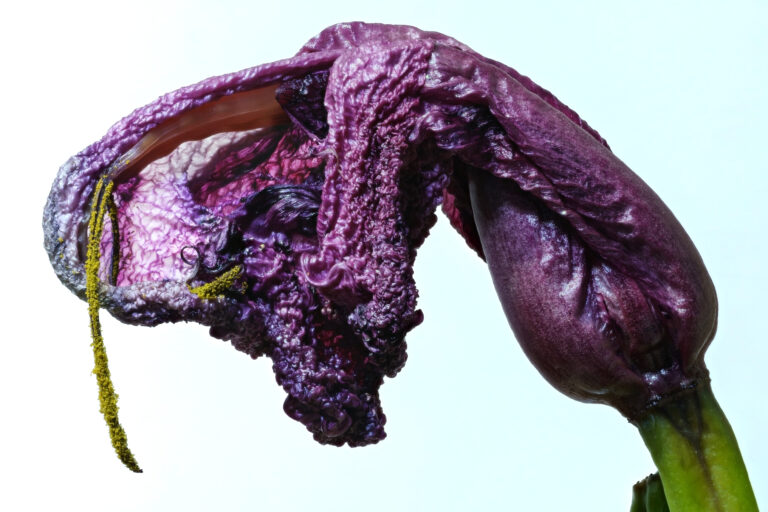
- Dry, crispy leaf edges that spread inward
- Wrinkled or wilted leaves, especially at the tips
- Soil pulling away from the sides of the pot
- Very lightweight pot
- Plant looks “sad” but soil is bone dry
- Water runs straight through the pot without absorbing (hydrophobic soil)
How to rescue an underwatered plant
If the soil is so dry that water runs straight through, try bottom watering. Set the pot in a tray of water for 20 to 30 minutes until the soil surface looks moist. Then top water thoroughly to ensure every part of the root ball is rehydrated. Most hard-to-kill plants rebound visibly within 24 to 48 hours after a good soak.
Long-term underwatering rarely kills hardy plants outright. It is usually cosmetic (crispy tips, lost leaves) and the plant recovers.
Seasonal Watering Adjustments
Every houseplant needs less water in winter than in summer. The change is dramatic for most species and small-but-meaningful for the hardiest.
Spring (March to May)
Growth resumes. Days lengthen. Water slightly more often than winter, but still check the soil before every watering. This is the ideal season to resume fertilizing and repot any plants that need it.
Summer (June to August)
Peak water use. Tropical plants may need watering every 5 to 7 days. Succulents every 2 to 3 weeks. Snake plants and ZZ plants every 10 to 14 days. Heat and longer days drive fast evaporation; rooms can also be drier from air conditioning.
Fall (September to November)
Growth slows as days shorten. Extend watering intervals by 25% to 50%. Stop fertilizing in late September. Move plants away from exterior walls and vents before winter cold sets in.
Winter (December to February)
Dormancy for most species. Water far less often. A pothos might stretch from 7 days in summer to 14 to 18 days in winter. A snake plant might stretch from 14 days to 30 days. Indoor heating creates dry air which dries leaves but not soil (leaf tips crisp, roots stay wet longer). If you reliably water once a month in winter and continue for the whole season, you will almost never lose a hardy plant.
Quick Reference: Watering Frequency for Popular Houseplants
| Plant | Summer Frequency | Winter Frequency | Signal to Water |
|---|---|---|---|
| Snake Plant | 10-14 days | 3-4 weeks | Soil dry 2 inches deep |
| Pothos | 7-10 days | 10-14 days | Top inch dry; leaves may droop |
| ZZ Plant | 2-3 weeks | 3-6 weeks | Soil dry throughout |
| Peace Lily | 5-7 days | 7-10 days | Leaves droop dramatically |
| Spider Plant | 7-10 days | 10-14 days | Top inch dry |
| Monstera | 7-10 days | 10-14 days | Top 2 inches dry |
| Aloe Vera | 2-3 weeks | 3-4 weeks | Soil dry throughout, leaves firm |
| Jade Plant | 2-3 weeks | 3-4 weeks | Soil dry throughout |
| Rubber Plant | 7-10 days | 10-14 days | Top inch dry |
| Philodendron | 7-10 days | 10-14 days | Top inch dry |
| Dracaena | 10-14 days | 14-21 days | Top 2 inches dry |
| Chinese Evergreen | 7-10 days | 10-14 days | Top inch dry |
These are starting points, not rules. Adjust based on your specific conditions (pot size, material, light, humidity, temperature). Always verify with a soil check before watering.
Tools That Actually Help (and Ones You Can Skip)
Worth the money
- Soil moisture meter ($10-$15). The single most useful tool for anyone with more than 3 plants. Eliminates watering guesswork.
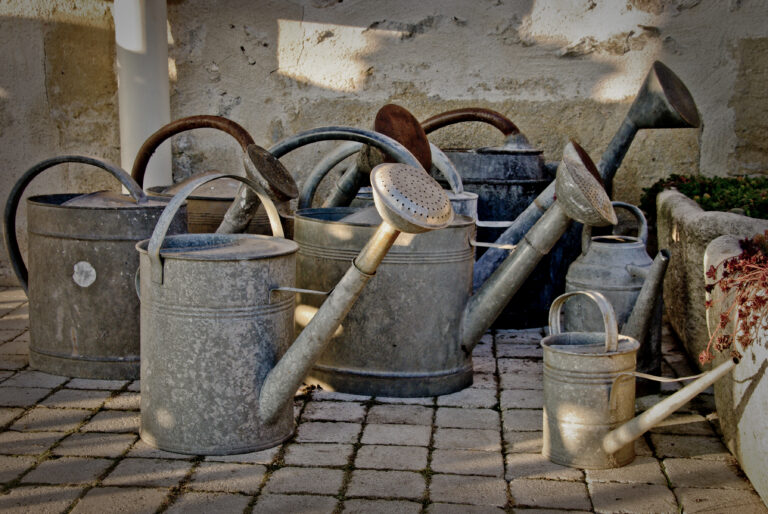
- Watering can with narrow spout ($15-$30). Delivers water precisely to the soil without splashing leaves. Essential for African violets, peperomia, and crowded plant shelves.
- Large drip tray or plastic saucer set ($5-$15). Catches runoff without damaging surfaces.
- Humidity gauge ($5-$10). Tells you what your actual indoor humidity is, so you know which plants will thrive.
Optional but useful
- Self-watering planters. Reservoir-based pots (Lechuza, Modernica styles) work well for pothos, philodendrons, and peace lilies if you travel or forget to water. Not ideal for succulents or snake plants.
- Humidifier. Helps sensitive tropicals in dry winter homes. A basic $40 ultrasonic humidifier in a living room substantially changes conditions.
- Watering globes or terracotta spikes. Work for short vacations (up to 10 days), unreliable for longer periods.
Skip these
- Spray bottles for “misting.” Wastes time, does not actually raise humidity meaningfully.
- Watering apps that schedule notifications. Notifications do not help if the soil is not dry.
- Ice cubes for orchids or any plant. Fad that shocks roots, widely misunderstood.
For full gear recommendations, see our plant gear reviews.
The Seven Watering Mistakes That Kill Plants
1. Watering on a schedule instead of checking soil
Covered above. This one mistake accounts for more houseplant deaths than all other causes combined.
2. Using pots without drainage holes
A plant cannot drain excess water from a sealed pot. Root rot is nearly guaranteed within weeks. Always use pots with drainage holes, or the cachepot method with a plastic nursery pot inside a decorative one.
3. Giving small “sips” frequently instead of thorough watering
Shallow watering keeps only the top of the soil moist. Roots grow upward seeking water and become shallow and weak. Water thoroughly until it drains from the bottom, then wait.
4. Leaving standing water in saucers
Water sitting in the saucer under the pot re-wicks into the soil and keeps roots saturated. Always empty the saucer 15 to 30 minutes after watering.
5. Not adjusting for winter
A plant in winter uses a third as much water as the same plant in summer. Maintaining summer frequencies in winter is the most common cause of winter plant deaths.
6. Mixing sensitive and tolerant plants on the same schedule
If you water all your plants on the same day, you are overwatering the snake plant or underwatering the fern, depending on which rhythm you pick. Check each plant independently.
7. Assuming wilted means thirsty
Wilting can mean too little water, too much water, or damaged roots from previous overwatering. Always check the soil before watering a wilted plant. If it is soggy and the plant is wilting, you have root rot, not drought.
Troubleshooting: Your Watering Is Off If…
Yellow leaves on multiple plants
Likely overwatering trend. Let soil dry fully between next several waterings across the whole collection. See yellow leaves troubleshooting.
Brown crispy tips on multiple plants
Either tap water chemistry (fluoride/chlorine) or low humidity. Switch to filtered water for 2 weeks and see if new growth stops showing tips.
Wilting even after watering
Root damage from prior overwatering. Check roots, trim dead ones, repot in fresh soil.
Water runs straight through the pot
Hydrophobic dry soil. Bottom-water for 30 minutes to rehydrate the root ball, then resume top watering.
Soil stays wet for more than a week
Pot too large, soil too dense, or too little light. Consider repotting with more perlite and moving to brighter spot.
Frequently Asked Questions
Should I water from the top or bottom?
Top watering is fine for most plants and is simpler. Bottom watering is useful for specific cases: African violets and fuzzy-leaf plants (water marks ruin leaves), plants with hydrophobic dry soil that needs to rehydrate, or plants prone to fungal issues on foliage. Alternate occasionally if bottom-watering regularly, because salts accumulate without top flushes.
Can I use ice cubes to water plants?
Generally no. The “three ice cubes a week” method popularized for orchids shocks tropical roots with cold temperatures and delivers inadequate water volume. Room-temperature water in the correct amount is better for every plant. The ice cube method persists as a marketing gimmick, not a horticultural practice.
Why does my plant wilt even though the soil is wet?
Root damage from overwatering. The roots are rotten and cannot absorb water, so the plant wilts as if it were thirsty. The solution is to stop watering, let the soil dry, and assess the roots. Wilted-on-wet-soil is the hallmark symptom of root rot.
How do I water plants when I am on vacation?
For trips under 7 days: water thoroughly before leaving, move plants away from direct sun, and accept that hardy plants will be fine. For 7 to 14 days: the same plus self-watering globes, terracotta spikes, or the bathtub trick (put plants in a shallow inch of water in the bathtub with indirect light). For trips over 2 weeks: ask a friend to check, or invest in self-watering planters for the plants that need it most.
Does the time of day matter when watering houseplants?
Not much indoors, unlike outdoor gardening. Morning watering is mildly preferred because any water that splashes on leaves has time to dry before nightfall (reducing fungal risk), but it is a small factor. Water whenever fits your schedule. Consistency of method matters far more than time of day.
Your Watering Instinct Is the Goal
After about 3 months of consistent soil-checking before watering, something shifts. You stop thinking about which day you watered and start thinking about the plant itself. The finger test becomes automatic. You notice that your pothos tips droop slightly when it is ready. You lift pots and know from the heft alone.
This intuition is the difference between plant killers and plant keepers. It is not a skill you read about; it is a skill you build by checking soil. Every time you check and then water (or choose not to), you are calibrating. By month six, you will stop needing this guide.
Until then, keep checking. For plant-specific watering deep-dives, see the snake plant watering schedule, pothos watering guide, and ZZ plant watering guide. For signs something has already gone wrong, head to our plant problems hub or jump directly to yellow leaves troubleshooting.
The plants are patient. Check the soil.
More Watering Guides
Deep-dive guides for specific aspects of indoor plant watering.
- Bottom Watering vs Top Watering: Complete Guide
- Can You Use Tap Water for Plants? Complete Guide
- How Often to Water Indoor Plants (By Type & Season)
Related reading: For the broader context, see the complete guide to hard-to-kill houseplants, all care fundamentals, houseplant troubleshooting hub.