
“Bright indirect light” is the most confidently misused phrase in houseplant care. Care labels say it. Nurseries say it. Every blog post you read says it. And almost nobody who reads the phrase knows exactly what amount of light they are supposed to deliver. The plant dies, the owner blames themselves, and the cycle repeats with the next plant.
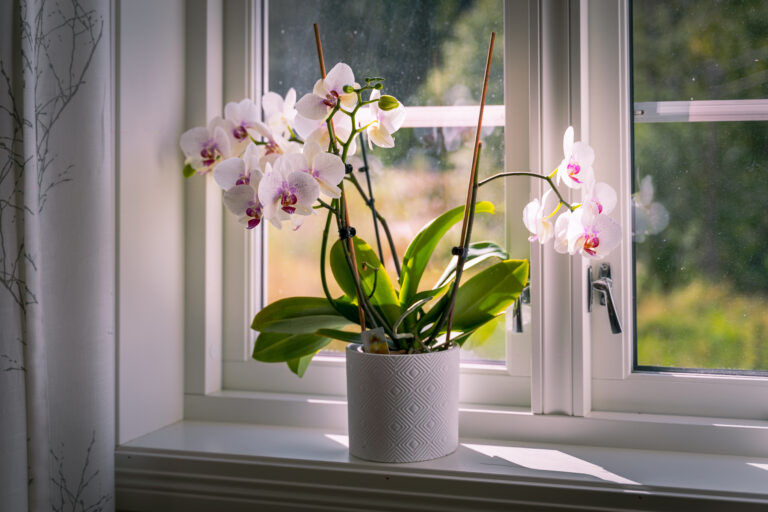
Light is not mysterious. It is measurable, predictable, and controllable. Once you know what your plant actually needs and how much light is in each room of your home, you can match them correctly on the first try. This guide covers the complete system: definitions you can use, measurements you can make, and grow lights that actually work.
Quick Reality Check: What “Light Level” Really Means
Every plant falls into one of four practical light categories. Direct sun: unfiltered sunlight hitting leaves for 4+ hours daily (suits cacti, succulents, aloes). Bright indirect: near a sunny window but with the direct sun filtered or blocked from hitting leaves (suits monsteras, rubber plants, pothos, most tropicals). Medium indirect: a few feet back from a bright window, or close to a north-facing window (suits snake plants, philodendrons, spider plants). Low light: a dim corner or deep in a room (suits ZZ plants, cast iron plants, Chinese Evergreens, though they tolerate rather than thrive). If your plant is wrong for the space, move it or add a grow light. Light is negotiable, not mysterious.
Why “Just Put It in Bright Indirect Light” Fails
The phrase is vague in ways the plant industry has never felt obligated to clarify. It means different things to different writers, and almost nobody measures what they are describing. The problem is real.
“Bright” varies by 1000x depending on where you measure
Direct noon sun outdoors measures around 100,000 lux (lumens per square meter). Bright indirect light next to a sunny window indoors measures between 5,000 and 20,000 lux. A dim corner across the room from a window measures 50 to 200 lux. Reading light from a lamp is roughly 100 to 500 lux. All of these can be called “bright” in casual conversation. A plant evolved for 10,000 lux will die slowly in 200 lux even if both locations are described the same way.
“Indirect” assumes a window exists
In a windowless room, there is no “indirect” version of window light. The only light is artificial: overhead fluorescent, LED, or lamp. These sources are not equivalent to diffused sunlight even at similar lux readings, because their spectrum is different. Plants do not photosynthesize equally from every wavelength. Incandescent bulbs emit mostly red and infrared; plants ignore most of it. LED and fluorescent are closer but still not identical to sunlight.
Window direction changes everything
“Bright indirect light” in a south-facing Florida window is a very different environment than “bright indirect” in a north-facing Minnesota window. The southern window has orders of magnitude more total light energy. The northern window may deliver one hour of indirect light before dimming to almost nothing. The same advice applied in both locations produces opposite outcomes.
Once you stop relying on the phrase and start thinking in terms of measured or estimated light levels, plant placement becomes a solvable problem.
The Five Factors That Determine How Much Light Your Plant Gets
1. Window direction
The biggest variable in most homes. A summary of standard window exposures in the northern hemisphere:
- South-facing: Strongest and longest-lasting direct sun. 4 to 8 hours of unfiltered sunlight in summer. Best for succulents, cacti, aloes, citrus. Risky for many tropical plants without diffusion.
- East-facing: Bright morning sun (2 to 4 hours), followed by indirect light the rest of the day. Ideal for most hard-to-kill houseplants. Pothos, monsteras, snake plants all thrive.
- West-facing: Bright afternoon sun (3 to 5 hours), often intense because afternoon temperatures are higher. Good for many tropicals if slightly diffused in summer. Risky for sensitive plants.
- North-facing: No direct sun. Consistent indirect light all day. Lowest intensity. Best for shade-tolerant plants: ZZ plants, cast iron plants, Chinese Evergreens, spider plants.
In the southern hemisphere, reverse south and north. In both hemispheres, east and west behave the same way regardless of which side of the equator you are on.
2. Distance from the window
Light intensity drops off steeply with distance. A plant sitting on the windowsill might receive 10,000 lux; the same plant 3 feet away might receive 2,000 lux; 6 feet away might receive 500 lux. The difference between “right next to the window” and “in the middle of the room” is roughly the difference between direct sun and full shade for the plant.
3. Obstructions
Buildings, trees, balconies, curtains, and window tinting all reduce how much light reaches the indoor space. A north-facing window in a city apartment with another building 20 feet away receives far less light than a north-facing window in a house facing open space. Sheer curtains diffuse light but also reduce total intensity by 30% to 50%.
4. Time of year
In temperate latitudes, winter sun is 4 to 6 hours lower in the sky, weaker in intensity, and lasts fewer hours each day. A plant in a south-facing window that receives 6 hours of direct sun in June might receive only 2 hours of weaker sun in December. Every houseplant needs seasonal adjustment for this reason.
5. Weather and season
Cloudy days reduce light intensity by 50% to 80%. A run of overcast weeks in winter can leave a plant receiving a fraction of its normal light. Long stretches of overcast weather are a common, under-recognized cause of slow decline in houseplants.
How to Measure (or Estimate) Light in Your Home
You do not need a lab. Three methods cover nearly all situations.
The shadow test (free, fast)
Hold your hand about 12 inches above a sheet of white paper at the plant’s location, mid-day. Observe the shadow:
- Sharp, crisp shadow with defined edges: direct or near-direct light. Roughly 10,000+ lux.
- Clear shadow with slightly soft edges: bright indirect light. Roughly 2,500 to 10,000 lux.
- Blurry, faint shadow: medium indirect light. Roughly 500 to 2,500 lux.
- Barely visible or no shadow: low light. Under 500 lux.
This is the single fastest way to estimate light without any tools. Do it at 11 a.m. to 2 p.m. on a clear day for the most accurate reading.
A smartphone light meter app (also free)
Most phones can download a free lux meter app that uses the front camera light sensor. Accuracy is imperfect (off by 10% to 30% depending on phone), but good enough for relative comparisons between rooms or spots in your home. Hold the phone flat at the plant’s location with the light sensor facing up toward the light source.
A dedicated light meter ($20-$50)
For serious plant collectors or complicated setups (multiple grow lights, south-facing greenhouse-style windows), a dedicated lux meter measures accurately. Look for one that reads lux and foot-candles (1 foot-candle = ~10.76 lux). Useful but not essential for most people.
Light ranges for common houseplants
| Light Category | Lux Range | Best Plants |
|---|---|---|
| Direct sun | 10,000-50,000+ | Aloe, jade, cactus, citrus, succulents |
| Bright indirect | 2,500-10,000 | Pothos, monstera, rubber plant, peace lily |
| Medium indirect | 500-2,500 | Snake plant, philodendron, spider plant, dracaena |
| Low light | 50-500 | ZZ plant, cast iron plant, Chinese Evergreen |
Understanding Light: Lux, Foot-Candles, PAR, and DLI
Houseplant care literature throws around four different units of light measurement, often interchangeably, which confuses things. Here is what each one actually measures and when it matters.
Lux (and its close cousin, foot-candles)
Lux measures the intensity of light as perceived by the human eye. It is the standard unit in most smartphone light meter apps and the one you will see referenced most often in plant care articles. One foot-candle equals about 10.76 lux, so the two are easily converted.
Lux is useful but imperfect for plants, because it is weighted toward green-yellow wavelengths that human eyes see best. Plants actually use red and blue wavelengths more efficiently, meaning two light sources with the same lux reading can differ in how much usable light they provide a plant. For casual houseplant care, lux is still the most practical measurement. Just know it is not the complete picture.
PAR (Photosynthetically Active Radiation)
PAR measures the light wavelengths (400 to 700 nanometers) that plants actually use for photosynthesis. This is more accurate for predicting plant growth than lux. PAR is expressed in micromoles per square meter per second (µmol/m²/s).
PAR meters are more expensive ($40 to $200) and rarely needed by casual houseplant owners. Serious indoor gardeners, hydroponic setups, and commercial grow operations use PAR as their primary measurement. For keeping a pothos alive, lux is fine.
DLI (Daily Light Integral)
DLI measures total light energy delivered over an entire day, in moles per square meter per day (mol/m²/day). It accounts for both intensity and duration, which matters for plants because 2 hours of bright light is not equivalent to 12 hours of dimmer light (though both can give a plant adequate energy).
Most houseplants thrive with a DLI between 3 and 12 mol/m²/day. Succulents and high-light plants need 12 to 20+ mol/m²/day. Low-light plants survive on 1 to 3 mol/m²/day. DLI is the most scientifically accurate measurement, but measuring it requires PAR sensors logged over time. Most plant care decisions are made with lux and common sense instead.
What to actually use
For everyday plant placement decisions, a free smartphone lux app and the shadow test are enough. For troubleshooting a struggling plant, or for setting up a serious grow light installation, consider borrowing or buying a PAR meter for a week to calibrate your space. Then go back to using your phone.
Signs Your Plant Is Getting the Wrong Light
Too little light
- Long gaps between leaves on the stem (leggy, stretched growth)
- New leaves smaller than older leaves
- Variegated plants losing their variegation (reverting to solid green)
- Pale or yellowish coloration in a plant that used to be darker
- Stems leaning or reaching toward the light source
- Very slow or no growth over months
- Leaves dropping, especially lower ones
Too much light
- Bleached or pale patches on leaves, especially on the side facing the window
- Crispy brown edges or tips (sunburn)
- Curling inward or folding to reduce exposure
- Wilting even with adequate water (light stress)
- Reduced coloration in normally vibrant varieties
What adjustment to make
For too little light: move plant closer to a window, move to a brighter-exposure window, prune surrounding obstructions (trees, curtains), or add a grow light. For too much light: move back from the window by 2 to 4 feet, add a sheer curtain, or move to a different-exposure window.
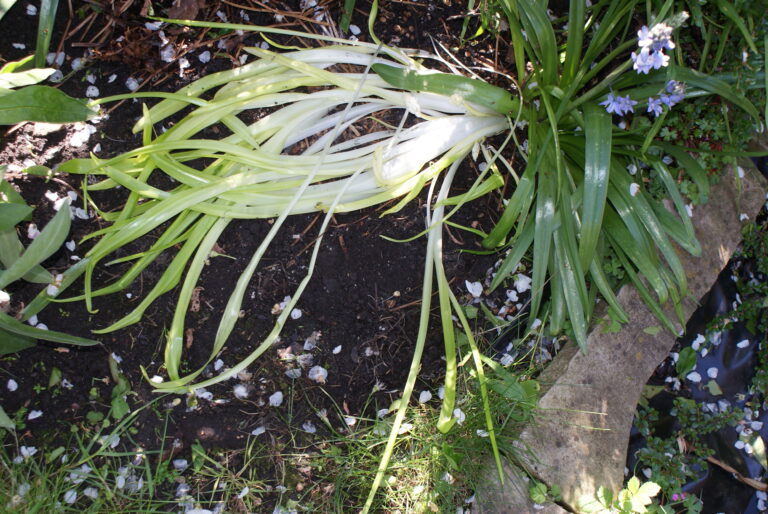
Most problems resolve within 2 to 4 weeks of the change. Do not expect existing damaged leaves to recover; focus on new growth as the indicator.
Placement Strategies That Work
Map your home by light zones
Walk through your home at midday on a clear day. In each room, identify:
- Areas in direct sun (shadow crisp)
- Areas in bright indirect (shadow clear with soft edges)
- Areas in medium indirect (shadow faint)
- Areas in low light (no shadow)
Mark these locations mentally or with sticky notes. These are the available “plant zones” in your home. Match plants to the zones, not the other way around.
Rotate plants quarterly
The side of a plant facing the light grows more vigorously. Rotating the pot 90 degrees every 1 to 3 months keeps growth balanced and prevents leaning. For tall plants near windows, this matters especially.
Seasonal moves
In winter, light intensity drops dramatically. Consider moving plants 1 to 2 feet closer to windows in November and back in March. A plant that thrives 5 feet from a south-facing window in June may need to be 2 feet from it in January.
Avoid heat traps
Windowsills in direct sun can exceed 100°F (38°C) at the glass surface in summer. Leaves touching the glass often scorch regardless of species. Keep sensitive plants 6 inches or more from the pane. South and west windows are the biggest offenders.
Grow Lights: When You Actually Need One
A grow light converts a dim apartment into a viable plant environment. For many readers, a basic LED grow light is the single most impactful purchase for houseplant success. It is not a gimmick; it is often the missing piece.
When to consider a grow light
- You want plants in a windowless room, basement, or interior hallway
- Your home has only north-facing windows and you want a wider variety of plants
- Your plants look leggy and under-colored despite being near your brightest window
- You want to grow in a specific spot (a shelf, a desk) that does not naturally have enough light
- Winter light in your latitude is insufficient for 3 to 5 months annually
Types of grow lights
LED grow lights are the standard today. They are energy efficient (a 15 to 40 watt LED produces usable plant-growing light), do not generate much heat, last for years, and produce a full spectrum of useful wavelengths. Newer “white” LED grow lights look like normal room lighting rather than purple, which is better for living spaces.
Fluorescent (T5 or LED tubes) are older technology, still used in some plant shelves. Work fine but less efficient than modern LED.
Incandescent and halogen are not useful for plants. Skip them.
Wattage and setup
For most houseplants, a 20 to 40 watt LED grow light positioned 12 to 24 inches above the plant delivers enough light. For high-light plants (succulents, jade, aloe), go closer (8 to 12 inches) or higher wattage. For low-light plants (ZZ, cast iron), any basic grow light is plenty.
Schedule
Plug into a cheap outlet timer ($10) and set for 10 to 14 hours per day. Most plants prefer a consistent schedule with the grow light coming on in the morning and off at night. Do not run lights 24 hours a day; plants need a dark period to complete certain metabolic processes.
What not to buy
Avoid ultra-cheap $10 single-bulb grow lights from Amazon; they often produce inadequate light despite marketing claims. Avoid only-purple LED lights unless you are doing serious indoor growing (they work but are ugly in a living space). Avoid HPS (high-pressure sodium) lights; they are for industrial growing, produce too much heat for a home setting.
For specific product recommendations in different price ranges, see our grow light reviews.
Seasonal Light Adjustments
Spring (March to May)
Daylight lengthens and intensity increases. Move plants that moved indoors for winter back to their seasonal spots. Begin fertilizing as growth resumes. Watch for sudden leaf scorch on plants moved too quickly from a dim winter location to a bright spring window; acclimate them by moving progressively closer over 2 to 3 weeks.
Summer (June to August)
Peak light. Most plants thrive. Watch south and west windows for overheating; move sensitive tropicals back 2 to 4 feet or add a sheer curtain. High-light plants (aloes, jades, cacti) love this season and produce their best growth.
Fall (September to November)
Daylight shortens. Growth slows for most plants. Move medium-light plants closer to windows to maintain light exposure. Turn on grow lights in rooms that go dim early. Prepare tropical plants for reduced watering that winter will require.
Winter (December to February)
Lowest light of the year. Plants that thrive in summer may struggle. Consider supplemental grow lights for rooms with only north-facing windows. Dust accumulates faster on leaves in winter (less circulation); wipe monthly to maintain photosynthesis efficiency. Do not be surprised if growth stops entirely for 2 to 3 months; this is normal.
Quick Reference: Light Requirements for Popular Houseplants
| Plant | Ideal Light | Tolerates | Avoid |
|---|---|---|---|
| Snake Plant | Bright indirect | Low to medium | Harsh direct sun |
| Pothos | Bright indirect | Medium to low | Prolonged direct sun |
| ZZ Plant | Bright indirect | Very low | Direct sun |
| Peace Lily | Medium-bright indirect | Low | Direct sun |
| Monstera | Bright indirect | Medium | Direct afternoon sun |
| Rubber Plant | Bright indirect | Medium | Direct sun on leaves |
| Spider Plant | Bright indirect | Medium | Deep shade |
| Philodendron | Medium-bright indirect | Low | Direct sun |
| Aloe Vera | Direct-bright indirect | Bright indirect | Deep shade |
| Jade Plant | Direct-bright indirect | Bright indirect | Shade |
| Cast Iron Plant | Low to medium | Very low | Direct sun |
| Chinese Evergreen | Medium | Low | Direct sun |
| Dracaena | Medium-bright indirect | Low | Harsh direct sun |
| Hoya | Bright indirect | Some direct | Deep shade |
Light Spectrum Basics: Why Some Bulbs Work and Others Do Not
If you are going to use grow lights, it helps to understand which wavelengths of light matter for plants and how commercial bulbs are marketed.
Red and blue are the primary useful wavelengths
Plants use two pigments for photosynthesis, chlorophyll a and chlorophyll b. Both absorb most strongly in the blue (around 430 nm) and red (around 660 nm) ranges, and relatively little in green (which is why leaves look green — they reflect the wavelength they use least). This is why older grow lights look purple or magenta: they combine red and blue LEDs.
Full-spectrum “white” LEDs
Modern “full-spectrum” white LED grow lights combine multiple colors to produce white light that still emphasizes red and blue but looks like normal lighting. They are less efficient than pure red-blue LEDs (some energy goes to green wavelengths plants do not use much), but they look normal in a living space and produce plants that grow true to color. For home use, they are the right choice.
What wattage actually means
Wattage is electrical input, not light output. A 40-watt incandescent bulb delivers about 450 lumens; a 40-watt LED grow light delivers about 2,500 lumens. Lumen output matters more than wattage, but marketing often emphasizes wattage anyway. As a rough guide, for indoor plant lighting, look for actual PAR output or photons per second (PPF) rather than just wattage; reputable sellers list this.
Rough wattage guide for a single plant
- Low-light plant: 10 to 20 watts of LED at 12 to 18 inches distance
- Medium-light plant: 20 to 40 watts at 12 to 18 inches
- High-light plant or succulent: 30 to 60 watts at 8 to 14 inches
For a shelf of 3 to 5 plants, a 40 to 60 watt bar-style LED grow light works well. Clip-on single plant lights (10 to 30 watts) are fine for one plant.
For a horticultural-science deep-dive on plant lighting, Iowa State University Horticulture and Home Pest News covers PAR, photoperiod, and indoor lighting from an academic angle.
Common Light Mistakes That Slowly Kill Plants
1. Assuming “low light tolerant” means dark
Low-light plants survive in dim conditions; they do not thrive there. Placing a ZZ plant in a pitch-dark hallway means the plant will slowly decline. It tolerates the conditions for months, but needs occasional moves to brighter space or a grow light for long-term health.
2. Ignoring the season
A spot that works in summer may be too dim in winter. Plants that were fine in October can start looking weak by January. The fix: move plants closer to windows or add a grow light as days shorten.
3. Placing plants too far from windows
Most “bright” rooms in your home have a narrow band of bright indirect light within 3 feet of the window. Beyond that, light drops sharply. The dining table that looks bright to you may be medium-to-low light for a plant.
4. Thinking tinted or shaded windows deliver useful light
Energy-efficient windows with low-e coating block significant UV and some visible light. North-facing windows in city apartments shaded by nearby buildings may deliver very little usable light. A window is not a light source; it is a passage for light from the outside.
5. Not rotating plants
One-sided light causes one-sided growth. Rotate pots quarterly to maintain symmetric leaf distribution.
6. Burning variegated plants
White or yellow parts of variegated leaves have no chlorophyll and burn faster than green tissue. A variegated pothos or Marble Queen in direct sun can develop scorched patches within a week. Keep variegated cultivars in bright indirect, not direct.
Frequently Asked Questions
What does “bright indirect light” actually mean in lux?
Roughly 2,500 to 10,000 lux. This is the light level near a sunny window but not in direct sunbeam. Measurable with a lux meter app on your phone. Below 2,500 is “medium”; below 500 is “low”; above 10,000 in indoor context means direct sun is involved.
Can I keep plants alive without any windows using grow lights only?
Yes, completely. A basic LED grow light (20 to 40 watts) on a 10 to 14 hour timer replicates or exceeds natural light for most houseplants. Many plant collectors grow extensive collections in basements and windowless rooms with grow lights as the only light source.
How many hours of direct sun are too many for a tropical plant?
More than 2 to 3 hours of direct midday or afternoon sun typically causes leaf scorch on tropical houseplants. Morning sun (before 10 a.m.) is gentler and tolerated better. Gradual acclimation over 2 to 3 weeks can increase tolerance.
Will a regular LED bulb in my lamp help a plant?
Minimally. Regular household LED bulbs produce some useful wavelengths for plants but at much lower total intensity than a dedicated grow light. A lamp with a regular LED bulb 6 inches from a small plant might add marginal growth benefit, but is not a substitute for a real grow light if natural light is inadequate.
Is it safe to leave a grow light on 24 hours a day?
No. Plants need a dark period (typically 8 to 14 hours) to complete certain metabolic processes that only happen at night, including respiration and nutrient movement. Running a grow light continuously actually reduces growth in most species and can cause leaf problems over weeks. Set a timer for 10 to 14 hours on, the rest off. Mimicking a natural day-night cycle produces healthier plants than endless light.
Why do my variegated plants keep losing their variegation?
Insufficient light. Variegated tissue has less chlorophyll, so the plant compensates by producing more green (more-chlorophyll) tissue to photosynthesize adequately in dim conditions. To maintain variegation, you need significantly brighter light than a non-variegated version of the same plant would need. Move to a brighter spot or add a grow light.
How to Map Your Home by Light Zones (a 30-Minute Exercise)
Instead of guessing where each plant should go, spend half an hour one afternoon building a light map of your home. This gives you the foundation for every future plant placement decision.
Step 1: Pick a clear, sunny day
Cloudy days underestimate available light. Start between 11 a.m. and 2 p.m. when the sun is highest.
Step 2: Walk through each room
In each room, identify three to five candidate spots where you might place a plant (windowsill, side table, bookshelf, corner). For each spot, do the shadow test by holding your hand 12 inches above a sheet of white paper:
- Sharp crisp shadow: direct sun zone
- Clear shadow with soft edges: bright indirect zone
- Blurry faint shadow: medium zone
- No visible shadow: low light zone
Step 3: Note each spot on a rough sketch
Draw a quick floor plan and label each candidate spot with its light zone. Take a photo of your sketch. You now have a permanent reference.
Step 4: Repeat in winter
Light zones shift dramatically between summer and winter. Do the same exercise on a clear day in December or January and compare. Some spots that are “bright indirect” in July become “medium” or “low” in January. Adjust your plant placements seasonally based on this information.
Most homes have 3 to 5 viable plant zones at any given time. Once mapped, you will stop buying plants that cannot live in your space and start buying plants for specific spots.
Light Is the Foundation of Everything Else
Once you understand light, most other care decisions become clearer. A plant in adequate light has the energy to metabolize water correctly, use nutrients efficiently, and fend off pests. A plant in inadequate light struggles at every other task regardless of how well you water and feed. Light is upstream of nearly every other variable.
For deeper dives into specific light topics, see our guides on what “low light” actually means for plants and “bright indirect light” explained with examples. For watering (the other foundational skill), head to the complete watering guide. For plants specifically suited to dim apartments, the low-light houseplants guide is a direct starting point.
Measure once, place once, grow for years.
More Light Guides
Deep-dive guides for specific aspects of indoor plant lighting.
Related reading: For the broader context, see the complete guide to hard-to-kill houseplants, all care fundamentals, houseplant troubleshooting hub.