
Most houseplant deaths are blamed on watering, but a surprising number actually trace back to soil. Wrong soil holds water too long (rotting roots) or drains too fast (drying out before the plant can absorb anything). The right soil for a snake plant is poison for a fern. The right soil for a fern would drown a succulent. There is no universal best soil; there are appropriate soils for different plant categories.
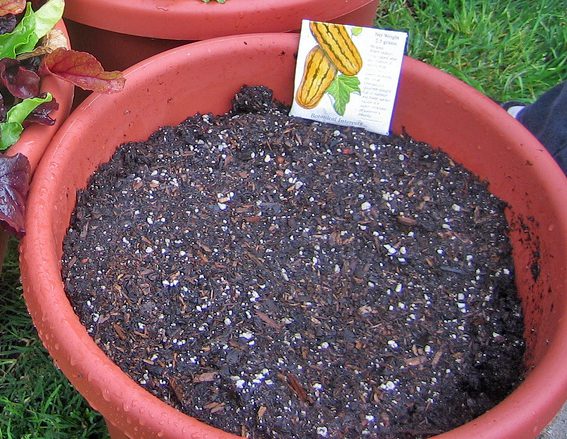
This guide covers the science of indoor potting mixes, how to choose or build the right soil for each plant type, and the soil mistakes that quietly kill houseplants over months.
Quick Answer: Best Soil for Indoor Plants
Most tropical houseplants (pothos, philodendron, monstera, peace lily) thrive in standard indoor potting mix with extra perlite added (3:1 ratio). Drought-tolerant plants (snake plant, ZZ plant, succulents, cacti) need fast-draining cactus or succulent mix. Moisture-loving plants (ferns, calathea, peace lily) prefer slightly more retentive mixes with peat or coco coir. African violets and orchids need specialty mixes formulated for their unique root structures. Avoid garden soil indoors; it compacts and drains poorly.
Why Generic “Houseplant Soil” Often Fails
Big-box “houseplant potting mix” is engineered for the average plant in average conditions. It works adequately for many tropical foliage plants but fails for the extremes: succulents drown in it, moisture-loving ferns dry out too fast in it. Specific plant categories need specific mixes.
The other problem with generic mixes: many are heavy on peat moss, which holds water for days and compresses over months. As peat compacts, drainage worsens, and even the right plant can develop root rot in mix that worked fine when it was fresh. Refreshing soil every 1-2 years matters as much as choosing the right initial mix.
The right soil approach is matching mix composition to the plant’s natural growing environment. The Royal Horticultural Society’s houseplant resources reinforce this principle.
What’s Actually in Indoor Potting Soil
Common indoor potting mix ingredients and what each does:
Peat moss (or coco coir)
The base of most potting mixes. Holds water and nutrients. Lightweight when dry. Coco coir (coconut husk fiber) is the more sustainable alternative and behaves similarly. Provides bulk and water retention.
Perlite
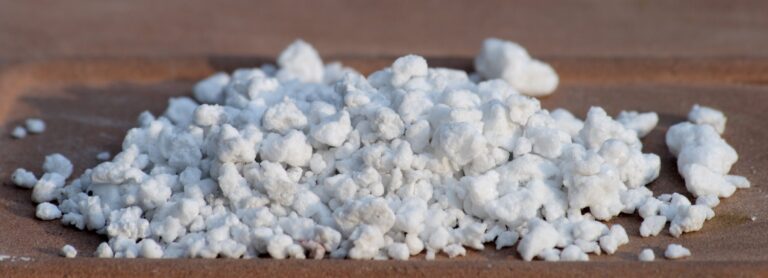
Tiny white volcanic rock pellets. Creates air pockets in soil for drainage and root oxygen. Does not hold water itself but improves overall soil airflow. Most important amendment for indoor plants.
Vermiculite
Mineral that absorbs water and slowly releases it. Improves moisture retention without compacting. Less common in modern mixes than perlite.
Pine bark or orchid bark
Chunks of bark that create air spaces and slow decomposition. Used in orchid mixes and aroid mixes for plants that want airy, well-draining soil.
Coarse sand
Improves drainage, especially for cactus and succulent mixes. Adds weight to top-heavy plants.
Pumice
Lightweight volcanic rock similar in function to perlite but heavier and more durable. Better for plants prone to perlite floating to the soil surface.
Activated charcoal
Absorbs impurities and improves aeration. Often added to terrarium mixes and for plants in pots without drainage holes (rare cases).
Worm castings or compost
Organic nutrients. Slowly release nitrogen and other elements as they decompose. Add small amounts (no more than 10%) for nutrient enrichment.
Best Soil for Different Plant Categories
Standard tropical foliage plants
Plants: Pothos, philodendron, monstera, rubber plant, peace lily, spider plant, dracaena, Chinese Evergreen.
Mix: 3 parts standard indoor potting soil + 1 part perlite. Or buy “indoor plant potting mix” with extra perlite added.
Why: These plants prefer moisture-retentive but well-draining soil. The perlite addition prevents waterlogging while peat retains needed moisture.
Drought-tolerant plants and succulents
Plants: Snake plant, ZZ plant, jade plant, aloe vera, haworthia, cactus, hoya, ponytail palm.
Mix: Cactus and succulent mix straight from the bag. Or build: 2 parts standard potting soil + 1 part perlite + 1 part coarse sand or pumice.
Why: These plants store water in leaves and rhizomes. Soil that holds moisture long causes rhizome and root rot. Fast-draining mix protects them.
Moisture-loving plants
Plants: Boston fern, maidenhair fern, calathea, prayer plant, peace lily (also tolerates standard).
Mix: Standard indoor potting mix with no extra perlite, or add a small amount of vermiculite for moisture retention.
Why: These plants want consistent moisture and soft, retentive soil. Too much perlite dries them out faster than they can tolerate.
Aroids (climbing varieties)
Plants: Monstera adansonii, philodendron Brasil/Heartleaf, Cebu Blue pothos, large aroids that climb.
Mix: “Aroid mix” — 2 parts indoor potting soil + 1 part perlite + 1 part orchid bark + optional handful of activated charcoal.
Why: Aroids in nature climb trees and have aerial roots that prefer airy substrates. Standard mix is too dense for their preferred moisture-and-air balance.
African violets and gesneriads
Plants: African violet, streptocarpus, gloxinia.
Mix: African violet mix straight from the bag. These are formulated for the plant’s specific moisture and pH preferences.
Orchids
Plants: Phalaenopsis, dendrobium, oncidium, cattleya.
Mix: Orchid bark mix (no soil). Orchids are epiphytes and root in bark, not soil.
Carnivorous plants
Plants: Venus flytrap, sundew, pitcher plants.
Mix: Sphagnum peat + perlite (or sand). NEVER fertilized soil. Carnivorous plants evolved in nutrient-poor bogs and standard potting soil burns their roots.
How to Build Your Own Potting Mix
Mixing your own gives precise control and saves money long-term if you have many plants. Three reliable formulas:
Universal indoor mix
- 3 parts standard indoor potting soil
- 1 part perlite
- Optional: small handful of worm castings for slow nutrient release
Works for: pothos, philodendron, monstera, peace lily, spider plant, dracaena, rubber plant, and most popular tropical foliage plants.
Cactus and succulent mix
- 2 parts indoor potting soil
- 1 part perlite
- 1 part coarse sand or pumice
Works for: snake plant, ZZ plant, jade, aloe, haworthia, cactus, ponytail palm.
Aroid mix (chunky)
- 2 parts indoor potting soil
- 1 part perlite
- 1 part orchid bark (medium grade)
- Optional handful of activated charcoal
Works for: monstera, climbing philodendrons, Cebu Blue pothos, large aroids on moss poles.
Mixing technique
Combine ingredients in a large bucket or storage bin. Wear gloves. Mix dry, then lightly moisten before use (not soaked, just damp). Store unused mix in a sealed container with a few small holes for airflow.
Pre-Made Potting Mixes Worth Considering
If you do not want to mix your own, several pre-made mixes save time:
- Espoma Organic Potting Mix: good universal mix with myco fungi for root health. $10-$15 for a 2 cubic foot bag.
- Miracle-Gro Indoor Potting Mix: widely available, contains added fertilizer. Some plants do not need the fertilizer.
- FoxFarm Ocean Forest: premium quality, balanced organic ingredients. $25-$30 for a 1.5 cubic foot bag.
- Black Gold Cactus Mix: reliable cactus and succulent mix.
- Fafard African Violet Mix: specialty mix for gesneriads.
Avoid generic “topsoil” or garden soil for indoor plants. These compact, drain poorly, and may carry pests or pathogens.
Detailed Plant-by-Plant Soil Recommendations
Beyond category guidelines, here are specific soil recommendations for popular plants:
| Plant | Best Soil Mix | Drainage Priority |
|---|---|---|
| Snake Plant | Cactus mix or 2:1:1 indoor soil + perlite + sand | Very high |
| Pothos | 3:1 indoor potting mix + perlite | Medium-high |
| ZZ Plant | Cactus mix or 2:1:1 indoor soil + perlite + sand | Very high |
| Peace Lily | 3:1 indoor potting mix + perlite | Medium |
| Monstera | Aroid mix: 2:1:1 indoor soil + perlite + orchid bark | High |
| Philodendron (Heartleaf) | 3:1 indoor potting mix + perlite | Medium-high |
| Spider Plant | 3:1 indoor potting mix + perlite | Medium |
| Rubber Plant | 3:1 indoor potting mix + perlite | Medium-high |
| Aloe Vera | Cactus mix straight from bag | Very high |
| Jade Plant | Cactus mix or 2:1:1 indoor soil + perlite + sand | Very high |
| Dracaena | 3:1 indoor potting mix + perlite | Medium-high |
| Cast Iron Plant | 3:1 indoor potting mix + perlite | Medium |
| Boston Fern | Standard indoor potting mix (more retentive) | Low |
| Calathea | 2:1:1 indoor soil + peat + perlite (retentive) | Low-medium |
| African Violet | Specialty African violet mix | Medium |
| Hoya | Aroid mix or cactus mix (semi-succulent) | High |
| Chinese Evergreen | 3:1 indoor potting mix + perlite | Medium |
Soil Amendments and Their Specific Uses
Beyond the basic ingredients, several amendments serve specific purposes:
Activated charcoal
Filters impurities and improves aeration. Especially useful in terrariums and containers without drainage. Add a thin layer at the bottom of pots without holes (acts as a “false drainage layer”) or mix small amounts into terrarium substrates.
Mycorrhizal fungi inoculant
Beneficial soil fungi that form symbiotic relationships with plant roots, improving nutrient uptake. Sprinkle on root ball during repotting. Especially helpful for newly propagated plants or stressed root systems.
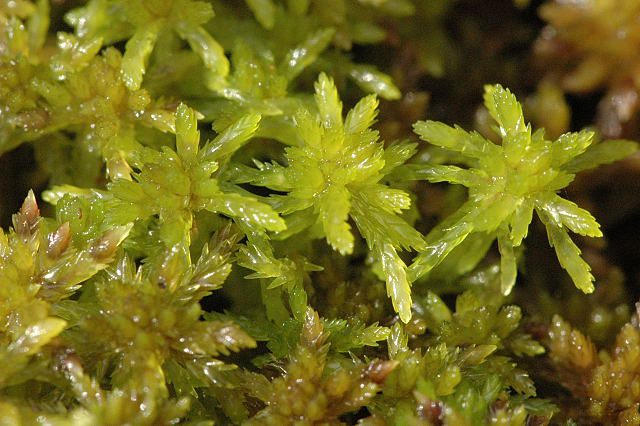
Sphagnum moss
Used in aroid mixes and for moisture retention. Excellent for plants that climb (wrap moss around moss poles for aerial roots).
Leca (clay pebbles)
Lightweight expanded clay aggregate. Used in semi-hydroponic setups for plants like hoyas and orchids. Provides aeration without organic decomposition.
Worm castings
Organic slow-release nutrient source. Add 5-10% to potting mix for nitrogen-loving plants. Improves soil microbiome.
Bone meal
Slow-release phosphorus source. Useful for flowering plants. Mix small amounts into soil at repotting.
Diatomaceous earth
Discourages fungus gnats and adds slight aeration. Can be mixed into top inch of soil or sprinkled on surface.
Pumice
Volcanic rock with porous structure. Excellent drainage amendment for cactus and succulent mixes. Heavier than perlite (does not float to surface).
Soil Drainage Layers: A Common Myth
Many older gardening guides recommend adding a “drainage layer” of rocks or pebbles at the bottom of pots. This advice is widely repeated but generally incorrect. Modern research shows that drainage layers actually create a “perched water table” — water accumulates above the rock layer instead of draining freely through the soil.
The better approach: use well-draining potting mix throughout the entire pot, not a drainage layer. The pot’s drainage hole serves the same function the layer was meant to provide. If you want extra drainage, use a chunkier soil mix with more perlite or pumice mixed throughout.
The exception: pots without drainage holes (like decorative cachepots used as primary containers, which is not recommended) can benefit from a charcoal layer at the bottom. But the better solution is always to use pots with drainage holes.
Soil pH for Indoor Plants
Most houseplants prefer slightly acidic to neutral soil (pH 6.0-7.0). Standard potting mixes are typically in this range, so pH is rarely a concern unless you are growing acid-loving plants (azaleas, gardenias) or alkaline-loving plants (cactus, lavender).
If you suspect pH problems (yellowing despite good care, stunted growth, certain leaf discoloration patterns), test with a $5 soil pH meter. Adjusting pH:
- Lower pH (more acidic): add coffee grounds, sphagnum peat, or sulfur.
- Raise pH (more alkaline): add crushed eggshells, garden lime, or wood ash.
Adjustments take weeks to show effect.
Common Soil Mistakes That Kill Houseplants
Mistake 1: Using garden soil indoors
Garden soil compacts in pots and drains poorly. It also may contain pests, weed seeds, or pathogens. Always use potting mix specifically formulated for indoor plants.
Mistake 2: Pots without drainage holes
The right soil cannot save a pot that does not drain. Always use pots with drainage holes, regardless of soil type.
Mistake 3: Reusing old soil for new plants
Old soil is depleted of nutrients and may carry pests or pathogens from the previous plant. Use fresh soil for new plants. You can refresh used soil by mixing with new bagged mix (50/50) for older plants.
Mistake 4: Wrong mix for the plant type
Generic mix for cacti causes rot. Cactus mix for ferns dries them out. Match mix to plant category.
Mistake 5: Compacted soil from never repotting
Soil compacts over months and years, reducing drainage and air. Repot every 1-3 years (depending on plant) with fresh mix.
Mistake 6: Adding too much fertilizer to the soil
Time-release fertilizer pellets in fresh mix can over-feed sensitive plants. Use restrained amounts for tropical foliage, none for cacti.
When and How to Repot
Repotting refreshes soil and gives roots room to grow. Most houseplants need repotting every 1-3 years.
Signs your plant needs repotting
- Roots growing out of drainage holes
- Roots circling tightly around the inside of the pot
- Plant drying out within 2-3 days of watering (root mass overwhelming soil)
- Soil pulling away from pot edges
- Very slow or no growth despite good care
- White salt crust on soil surface despite flushing
How to repot
Step 1: Choose a new pot 1-2 inches wider than the current. Larger jumps risk root rot from excess unused soil.
Step 2: Add fresh soil to the bottom of the new pot. Enough so the plant sits at the same depth as before.
Step 3: Slide the plant out of the old pot. Gently loosen tightly bound roots with your fingers.
Step 4: Place in the new pot. Add fresh soil around the sides until even with the top of the root ball.
Step 5: Water lightly to settle the soil. Wait 5-7 days before normal watering to let any disturbed roots heal.
Best time to repot
Spring is ideal for most plants as growth resumes. Avoid repotting in winter (slow recovery) or during flowering (stresses the plant). Sick plants are sometimes worth emergency repotting if root rot needs surgical intervention.
How Pot Material Interacts With Soil
Pot material affects how the same soil performs. Choosing the right combination matters as much as the soil itself.
Terracotta + standard potting mix
Terracotta wicks moisture out of soil through its porous walls. Standard potting mix in terracotta dries faster than expected. Pair terracotta with moisture-retentive mixes (extra peat or coco coir) or accept more frequent watering.
Plastic + standard potting mix
Plastic seals moisture in. Soil stays wetter longer. Pair plastic with well-draining mixes (extra perlite) to prevent waterlogging. Or use plastic for moisture-loving plants (ferns, calathea) where extended moisture is wanted.
Glazed ceramic + any mix
Glazed ceramic sits between terracotta and plastic in drainage characteristics. The glazing partially seals the surface, holding moisture longer than terracotta but less than plastic. Standard potting mixes work well in glazed pots.
Self-watering pots + retentive mix
Self-watering pots with reservoirs benefit from moisture-retentive mixes that wick water up through the soil. Standard or moisture-loving plant mixes work; cactus mix dries the reservoir too fast.
Metal pots
Metal heats up in sun, raising soil temperature and accelerating drying. Avoid for sensitive root systems. If using, place in shaded locations and use plastic-style retentive mixes.
Repotting Beyond the Basics
Root pruning during repotting
For plants you want to keep in the same pot size (or smaller), prune the outer 1-2 inches of root mass during repotting. Use sterilized scissors or a sharp knife. Root pruning reduces the plant’s water needs and prevents overcrowding. Most plants tolerate having 20-30% of their root mass removed during a single repotting.
Repotting versus up-potting
Repotting (refreshing soil, same pot size) and up-potting (moving to a larger pot) serve different purposes. Repot when soil is depleted but the plant is content with its current size. Up-pot when the plant has outgrown its current container. Most plants need up-potting every 2-3 years and repotting (refresh) once between up-potting.
Down-potting (rare but useful)
For plants in oversized pots that constantly stay too wet, down-potting to a smaller container restores proper soil-to-root ratio. Common for plants that lost root mass to root rot or for slow-growing plants in pots that became disproportionately large.
What to do with old soil
Used potting soil is depleted but not worthless. Mix 50/50 with fresh bagged mix to refresh nutrient content for less-demanding plants. Or compost outdoor garden beds. Avoid reusing old soil with new sensitive plants where pathogen carryover could be a problem.
Common Soil Symptoms and What They Tell You
Soil pulls away from pot edges
Indicates the soil has dried completely and shrunk away from the pot walls. Top water no longer absorbs because water runs down the gap between soil and pot. Bottom water for 30 minutes to fully rehydrate, then resume normal watering.
Water sits on top of soil instead of draining
Soil has compacted or developed hydrophobic surface crust. Loosen the top inch with a chopstick or fork, then water slowly. If problem persists, repot with fresh mix.
Soil stays wet for over a week
Pot too large for plant, soil too dense, or pot lacks adequate drainage. Move to smaller pot or amend soil with more perlite. Verify drainage holes are not clogged.
Strong organic smell from soil
Anaerobic decomposition from too much moisture. Indicates impending root rot. Stop watering, let soil dry, repot in fresh mix if smell persists.
White fuzzy growth on soil surface
Usually harmless soil fungi indicating high moisture and good biological activity. Scrape off if cosmetic concern. Reduce watering to discourage further growth.
Algae or moss on soil surface
Indicates persistent moisture. Common in low-light conditions where soil dries slowly. Improve airflow, increase light if possible, reduce watering frequency.
Soil compacted hard
Aged soil that has lost air pockets. Repot with fresh well-aerated mix. Adding 25% more perlite to the new mix prevents recurrence.
Soil Maintenance Between Repotting
Quarterly soil flushing
Once every 3 months, water generously until water draining from the bottom runs clear. This flushes accumulated fertilizer salts that build up over time.
Top dressing
For plants you cannot easily repot (very large floor plants), remove the top 1-2 inches of soil annually and replace with fresh mix. This refreshes nutrients without disturbing roots.
Soil aeration
Use a chopstick or pencil to gently poke holes in the soil monthly. This breaks up compaction and improves air to roots without repotting.
FAQ
Can I use the same soil for all my houseplants?
Adequately for most tropical foliage plants, but not for succulents, cacti, ferns, or specialty plants like orchids and African violets. Keep at least two soil types: a universal indoor mix and a cactus/succulent mix.
Do I need to add fertilizer to potting mix?
Most pre-made mixes include a small amount of starter fertilizer. After 4-6 weeks, this depletes and you can resume regular liquid fertilizing. Custom-mixed soil should not need additional fertilizer for the first month if it includes worm castings or compost.
Why does my soil have white fuzz on top?
Usually harmless soil fungus or mineral salts. Mineral salts indicate over-fertilizing or hard water; flush soil and reduce fertilizer. Soil fungus is benign but can be removed by scraping off the top layer and replacing with fresh mix.
Can I use coffee grounds in my soil?
Sparingly. Used coffee grounds (no more than 1 tablespoon per pot) add slow nitrogen and slightly acidify soil. Excess causes mold and fungus gnats. Mix into the top inch of soil rather than applying to the surface.
Should I sterilize potting mix before use?
Commercial bagged mix is generally clean enough. If using outdoor garden soil (which is not recommended), sterilize by baking at 200°F for 30 minutes to kill pests and pathogens. Bagged indoor mixes do not need this treatment.
How do I know when soil is “old” and needs replacing?
Old soil loses structure: it compacts when watered, holds water either too long or sheds it too quickly, and may smell musty. Visually, it looks darker and more uniform than fresh mix. Replace every 1-3 years through repotting or top-dressing. The ASPCA’s plant database covers safety considerations for cocoa-based mulches and other amendments around pets.
Soil Is the Foundation of Everything Else
Once you match the right soil to each plant category, watering becomes more forgiving, root rot becomes rare, and plants live longer. Keep two basic mixes on hand (universal indoor + cactus/succulent), repot every 1-3 years, and most soil-related problems disappear.
For specific watering practices that complement good soil, see our complete watering guide. For light requirements, the indoor plant light guide covers the other foundation. For humidity considerations, the humidity for indoor plants guide rounds out the basics. Soil-specific issues for snake plants in our snake plant care guide.
The right soil is not glamorous but it makes everything else easier.
Related reading: For the broader context, see the complete guide to hard-to-kill houseplants, all care fundamentals, houseplant troubleshooting hub.