
Snake plant propagation is one of the most satisfying things you can do as a houseplant owner. One healthy mature plant can become five, ten, or twenty new plants over a year with almost no effort. The process is also forgiving: snake plants tolerate a wide range of propagation conditions and root from cuttings in soil, water, or by simple division.
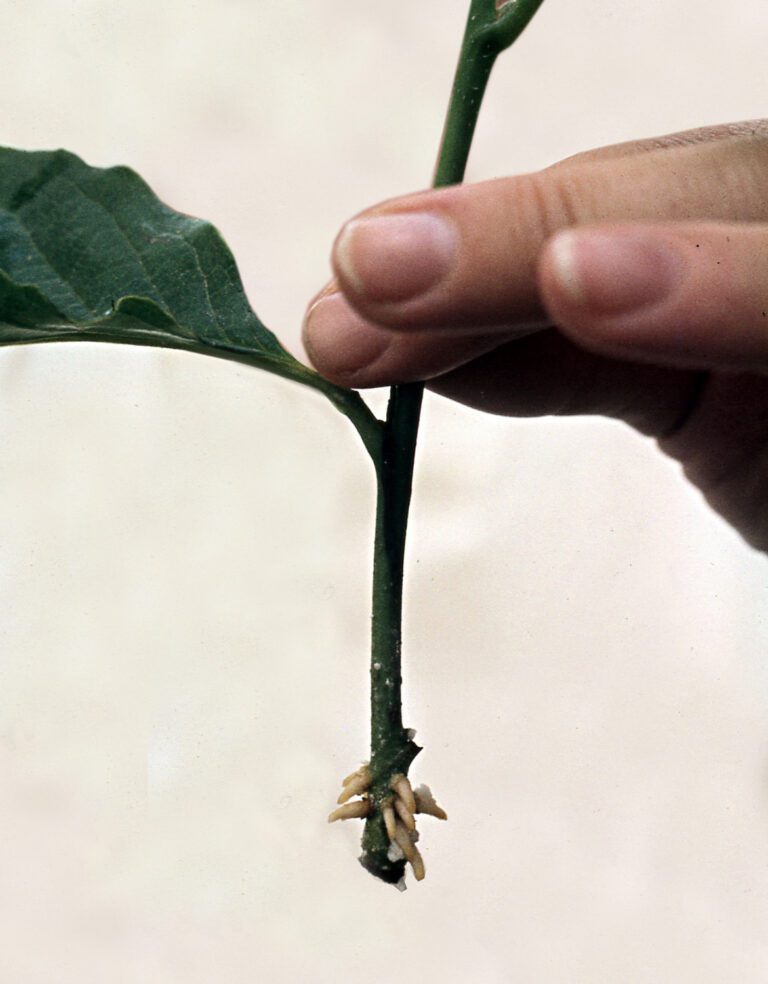
This guide walks through the three reliable methods for snake plant propagation, with timelines, success rates, and the common mistakes to avoid.
Quick Answer: Snake Plant Propagation Methods
The three reliable methods for snake plant propagation are division (separating the rhizome at repotting time, fastest and highest success), leaf cuttings in water (easiest for beginners, 3-8 weeks for roots), and leaf cuttings in soil (avoids transition shock, 4-12 weeks for established plants). Division preserves variegation; leaf cuttings of variegated cultivars revert to solid green. Choose your method based on whether you have a mature plant ready to divide or just a leaf or two to start with.
Before You Start: Three Things to Know
1. Variegation does not pass through leaf cuttings
The single most surprising fact about snake plant propagation: if you take leaf cuttings from a variegated cultivar like Laurentii (the classic with yellow edges), the new plants will be solid green, not variegated. The yellow variegation is unstable in leaf tissue and reverts. To keep variegation, you must propagate by division of the rhizome, not by leaf cuttings.
2. Patience is the main requirement
Snake plants are slow propagators compared to pothos or philodendron. Expect 3 to 8 weeks for visible roots, and 2 to 6 months before a new plant looks like a real plant. This is normal. They are slow growers in general; propagation is no exception.
A safety note about snake plant sap
All snake plant cuttings produce a small amount of milky sap from cut surfaces. The sap contains saponins (mildly toxic; the same compounds noted in the ASPCA’s snake plant toxicity entry) that can irritate skin. Wear gloves if you have sensitive skin, wash hands after handling, and keep cuttings out of reach of children and pets during the propagation process.
3. Spring and summer give the best results
Snake plants propagate fastest during their active growing season (March to August in temperate regions). Winter propagation works but takes 2-3x longer. If possible, time your propagation projects for warm months.
Method 1: Division (Best for Mature Plants)
Division is the fastest, most reliable propagation method, and the only one that preserves variegation in cultivars like Laurentii or Black Gold. The trade-off is that you need a mature plant with multiple distinct rhizome clusters.
What you need
- A mature snake plant with multiple rhizome clusters visible above or just below the soil
- Sharp, clean knife or pruning shears
- Sterilizing alcohol or bleach solution
- New pots with drainage holes (1-2 inches wider than each division)
- Fresh, fast-draining potting mix (cactus or succulent mix)
Step-by-step
Step 1. Slide the snake plant out of its pot. Brush soil away from the rhizome to clearly see how many separate clumps you have.
Step 2. Identify natural division points where the rhizome connects two clumps. These are usually narrower transition zones.
Step 3. Cut through the connecting rhizome with a sterilized blade. Each division must have at least one healthy rhizome section AND one or more attached leaves.
Step 4. Let cut surfaces dry and callus over for 24 to 48 hours in open air. This prevents rot when planted.
Step 5. Pot each division in fresh, dry, fast-draining mix. Plant at the same depth as the original.
Step 6. Wait 5 to 7 days before the first watering, then water lightly. Resume normal care after 2 weeks.
Timeline and success rate
Divisions establish in 2 to 4 weeks. New leaf growth appears within 2 to 4 months. Success rate: 95%+ for healthy mother plants. The fastest path to a full new plant.
Method 2: Leaf Cuttings in Water (Easiest for Beginners)
Water propagation is the most popular method because you can watch roots develop in real time. The trade-off is that water-rooted plants face a transition shock when moved to soil, lowering long-term success rates compared to division.
What you need
- Healthy, mature snake plant leaves (4-6 inches long minimum)
- Sharp, clean knife or scissors
- Glass jars or vases
- Room-temperature water (filtered or distilled is best, but tap water works for snake plants)
Step-by-step
Step 1. Cut a healthy leaf at its base. For longer leaves, cut into 3-4 inch sections (each will produce a new plant). Mark which end is the bottom (cuts heal in the direction the leaf was growing); a small notch on the bottom edge keeps you oriented.
Step 2. Let cuts callus over for 24 to 48 hours in open air. Skipping this step is the #1 reason cuttings rot in water.
Step 3. Place each cutting (callus-end down) into a glass of water. The bottom 1/2 inch should be submerged. Position somewhere with bright indirect light, not direct sun.
Step 4. Change the water weekly to prevent stagnation and bacterial growth. If the water turns cloudy, change immediately.
Step 5. Wait 3 to 8 weeks for visible roots. Once roots are 2 to 3 inches long, transplant carefully into well-draining potting mix.
Step 6. Keep newly transplanted cuttings in a humid spot (covered with a clear plastic bag for 1-2 weeks) to ease transition.
Timeline and success rate
Roots: 3 to 8 weeks. New rhizome formation: 2 to 4 months. New leaf emergence from rhizome: 4 to 8 months. Success rate: 70% (lower than division because of transition shock).
Method 3: Leaf Cuttings in Soil (Most Patient)
Direct soil propagation skips the transition shock of moving from water to soil, but you cannot watch roots develop. The plant goes “underground” for several months until new growth emerges.
What you need
- Healthy snake plant leaves (4-6 inches long minimum)
- Small pots with drainage holes
- Fast-draining potting mix (cactus or succulent mix)
- Sterilized scissors or knife
Step-by-step
Step 1. Cut healthy leaves into 3-4 inch sections. Note bottom orientation.
Step 2. Let cuts callus for 24 to 48 hours.
Step 3. Plant each section, callus-end down, about 1 inch deep in moist potting mix.
Step 4. Water lightly to settle the soil. Then water sparingly: keep soil barely damp, never wet. Overwatering rots cuttings before they root.
Step 5. Place in bright indirect light. Do not move during the rooting period.
Step 6. Wait. Roots form in 4 to 12 weeks. New rhizome growth and eventual leaf emergence happens in 4 to 12 months.
Timeline and success rate
Roots: 4 to 12 weeks. New leaf emergence: 4 to 12 months. Success rate: 60-80%. The most patient method but produces the most stable transition to a permanent plant.
Snake Plant Propagation: Method Comparison
| Method | Time to Roots | Time to New Plant | Success Rate | Variegation Preserved | Best For |
|---|---|---|---|---|---|
| Division | Already rooted | 2-4 weeks established | 95%+ | Yes | Mature plants |
| Water cuttings | 3-8 weeks | 4-8 months | 70% | No | Beginners |
| Soil cuttings | 4-12 weeks | 4-12 months | 60-80% | No | Patient, lower-maintenance |
Common Snake Plant Propagation Mistakes
Mistake 1: Skipping the callus step
Cuttings placed directly in water or soil without 24-48 hours of drying time will rot before they root. This is the #1 propagation failure.
Mistake 2: Planting cuttings upside down
Snake plant leaves only root from the basal (bottom) end, the part that was closest to the soil. Mark which end is up before separating segments.
Mistake 3: Overwatering soil cuttings
Cuttings without established roots cannot use much water. Wet soil rots them. Keep barely damp until roots establish.
Mistake 4: Expecting variegation from leaf cuttings
Cultivars like Laurentii (yellow-edged), Black Gold, and Bantel’s Sensation will revert to solid green when propagated from leaf cuttings. Use division to preserve variegation.
Mistake 5: Disturbing cuttings during rooting
Pulling cuttings out to “check on roots” damages developing root systems. Wait the full timeline before checking.
Mistake 6: Propagating in winter
Winter propagation works but takes 2-3 times longer. For best results, propagate in spring or summer when the plant is actively growing.
FAQ
Can I propagate a snake plant from a leaf bought at the store?
Yes, if the leaf is healthy and undamaged. Many propagators specifically buy single leaves online from collectors who sell them for this purpose. The leaf needs to be at least 4 inches long with no rot, soft spots, or yellowing.
Why are my water cuttings not rooting?
Most common reasons: cuttings were planted upside down, cuts were not callused before placing in water, water temperature too cold, or the leaf segment was unhealthy from the start. Try again with healthier leaves and proper callus time.
How do I know when my snake plant is ready to be divided?
When you see multiple distinct clumps of leaves emerging from the soil with separate rhizome bases, the plant is ready. This usually happens after 2 to 3 years in the same pot. If the rhizome is one solid mass with leaves all emerging from the same central point, the plant is not ready for division yet.
Will rooting hormone help snake plant cuttings?
Marginally. Rooting hormone speeds up root development by 1-2 weeks for most plants, but snake plants root reliably without it. If you have rooting hormone on hand, dip the callused end before planting in soil. If not, do not bother buying it just for snake plants.
How many leaf segments can I take from one leaf?
A 12-inch healthy leaf can be divided into 3-4 segments of 3-4 inches each. Each segment will produce a new plant if treated correctly. This is how a single leaf can become 3-4 new plants.
Can I propagate snake plants outdoors?
Yes, in warm climates (zones 9-11) outdoor propagation works well. In cooler regions, propagate indoors during winter and move outside in summer once temperatures stay above 60°F at night.
Tools That Make Snake Plant Propagation Easier
You can propagate snake plants with no special equipment, but a few tools speed up the process and improve success rates.
Essential
- Sharp, sterilized scissors or pruning shears. Clean cuts heal faster than crushed or torn ones. Wipe blades with rubbing alcohol before each cut.
- Glass jars or vases. Clear glass lets you watch root development in water cuttings.
- Small pots with drainage holes. 3-4 inch nursery pots work fine for new propagations.
- Fast-draining potting mix. Cactus or succulent mix works perfectly. Avoid heavy peat-based mixes.
Nice to have
- Rooting hormone powder. Speeds root development by 1-2 weeks. Optional for snake plants but accelerates timeline.
- Clear plastic bags or domes. Create temporary humidity around newly transplanted cuttings to ease transition shock.
- Heat mat. A seedling heat mat (around 70-75°F) accelerates winter propagation significantly.
- Labels. When propagating multiple cuttings, label each with date and variety. Memory fails after weeks of waiting.
What to Do After Roots Form
Once your cuttings have established roots (2-3 inches for water-rooted, visible new growth for soil-rooted), they enter the early plant stage. Care during this transition matters:
- Repot carefully. Water-rooted cuttings transition best when potted in slightly moist (not wet) soil and kept humid for 1-2 weeks.
- Light placement. Bright indirect light, never direct sun while establishing.
- Water sparingly. Newly potted cuttings need much less water than mature plants. Let soil dry between waterings.
- Patience. The first 4-8 weeks after transplanting often look like nothing is happening. Roots are establishing below soil.
- Resume normal care. After 2-3 months, treat the new plant exactly like any mature snake plant: watering every 10-14 days summer, every 3-4 weeks winter.
Propagation Is the Most Rewarding Snake Plant Skill
Once you have successfully propagated one snake plant, you have unlocked an unlimited supply of new plants for free. Many snake plant collectors specifically maintain “mother plants” exclusively for propagation, producing dozens of new plants per year for friends, family, and trades with other plant collectors.
For the broader snake plant care system, see our complete snake plant care guide. For specific cultivars worth propagating, the snake plant varieties guide covers the options. For watering propagated cuttings, the snake plant watering guide applies once cuttings are established.
The patience is the hard part. The plants do most of the work themselves.
Related reading: For the broader context, see the complete guide to hard-to-kill houseplants, all plant care guides, complete watering guide.