
You walked in and your peace lily is collapsed flat against the side of its pot, leaves drooping like wet noodles. This dramatic display is alarming the first time you see it, but with peace lilies it is also informative. Drooping is the plant’s primary communication system, and in 90% of cases the cause is the same and the fix is immediate.
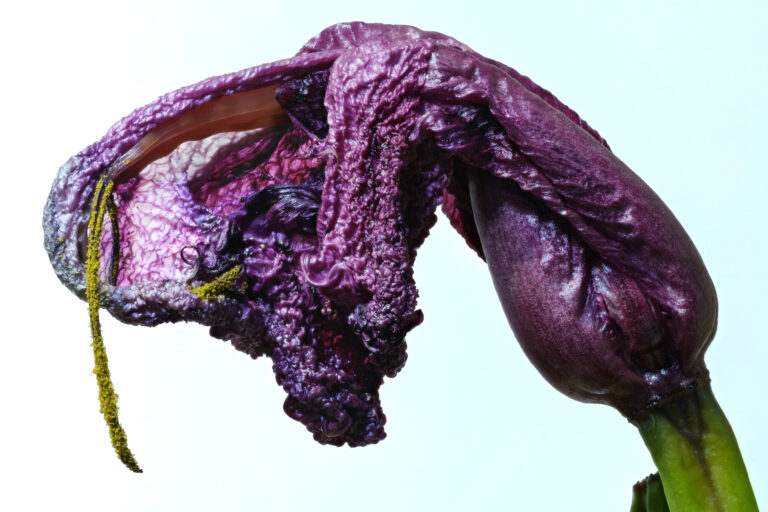
Botanical reference: the plant discussed in this guide is Spathiphyllum (also known as Peace Lily, White Sails), in the family Araceae.
This guide walks through the six real causes of peace lily drooping, in order of frequency, with the diagnosis and fix for each.
Quick Answer: Why Peace Lilies Droop
Peace lilies droop most often from underwatering (the #1 cause by a wide margin), followed by root rot from overwatering, transplant shock, low humidity, temperature stress, and pests. Underwatered peace lilies recover fully within 1-2 hours of a thorough watering. Drooping that does not improve after watering indicates root damage and needs a different fix. The first diagnostic step is always to check soil moisture and try a deep watering.
Cause 1: Underwatering (The #1 Cause)
Peace lilies have thinner, less waxy leaves than snake plants or ZZ plants, so they lose water faster and respond to drought within days. The dramatic droop is the plant’s signal that it needs water now. Within 60-90 minutes of a thorough watering, the leaves return to full upright posture as if nothing happened.
How to identify
- Soil completely dry (push finger 1 inch down — no moisture)
- Pot feels lightweight
- Leaves drooping evenly across the whole plant
- Plant has not been watered in 5+ days (summer) or 7+ days (winter)
How to fix
Water thoroughly. Pour room-temperature water across the soil surface until you see water draining from the bottom of the pot. If the soil has become hydrophobic (water runs straight through), bottom water for 20-30 minutes to fully rehydrate the root ball. Empty the saucer 15-30 minutes after watering.
Recovery time
Visible improvement: 30-60 minutes. Full recovery: 1-2 hours. The peace lily’s response to watering is the fastest of any common houseplant.
Note: drought stress is cumulative
Repeated drought-and-recovery cycles weaken the plant over time. If you find yourself letting your peace lily droop every cycle as your watering signal, water slightly earlier (when the top inch feels dry) instead. The plant should not have to ask twice.
Cause 2: Root Rot from Overwatering
Counterintuitively, peace lilies can also droop from overwatering. The root rot mechanism: roots sit in constantly wet soil, suffocate, then rot. Damaged roots cannot absorb water even when water is available, so the plant displays the same drought symptoms (drooping) despite wet soil. This is the most misdiagnosed peace lily problem.
How to identify
- Soil wet 1+ inch down (the opposite of underwatering)
- Drooping that does NOT improve within 2 hours of watering
- Yellow leaves at the base of the plant
- Soft, mushy stems near the soil line
- Sour or fermented smell from the pot
- Black or slimy roots when you check
How to fix
Stop watering immediately. Unpot the plant and inspect roots. Cut away any black, mushy, or foul-smelling roots with sterilized scissors. Rinse remaining healthy roots. Let them air-dry for 24 hours. Repot in fresh, well-draining soil. Withhold water for 5-7 days. The plant may continue drooping for 1-2 weeks during recovery; this is normal.
For the broader yellow leaves diagnostic, see our yellow leaves troubleshooting guide.
Cause 3: Transplant Shock
Peace lilies sometimes droop dramatically immediately after repotting, even when conditions are otherwise perfect. Roots disturbed during repotting take days to weeks to resume normal water uptake.
How to identify
- Drooping started within 1-7 days of repotting
- Soil moisture is appropriate (not wet, not bone dry)
- No yellow leaves or rot symptoms
- Plant was healthy before repotting
How to fix
Patience. The plant will recover on its own within 1-3 weeks as roots reestablish. Keep soil consistently slightly moist (not wet) during recovery. Provide medium light, no direct sun. Do not fertilize during recovery. Avoid moving or repotting again.
Cause 4: Low Humidity
Peace lilies prefer humidity above 40%. In dry winter homes (15-25% humidity from central heating), peace lilies may droop slightly even when soil moisture is appropriate. The leaves lose water faster than roots can replace it.
How to identify
- Indoor humidity reads below 30% on a hygrometer
- Leaves slightly drooping despite appropriate soil moisture
- Brown crispy leaf tips combined with drooping
- Other tropical plants in the house also showing dry-air symptoms
- Recent installation of central heating or new winter heating cycle
How to fix
A small humidifier near the plant raises humidity from typical 15-20% winter levels to 40-50%, which is plenty. Pebble trays do almost nothing measurable. Misting helps for minutes but evaporates quickly. The most effective solution is consistent ambient humidity from a humidifier running a few hours daily.
Cause 5: Temperature Stress
Peace lilies prefer 65-80°F (18-27°C). Sudden cold drafts (below 50°F) or extreme heat from radiators can cause drooping as the plant tries to reduce surface area exposed to harsh conditions.
How to identify
- Plant placed near an exterior door, drafty window, or air conditioning vent
- Plant placed near a radiator or in direct hot afternoon sun
- Drooping appeared after a temperature change or seasonal shift
- Drooping concentrated on the side facing the temperature source
How to fix
Move the plant to a more stable location away from drafts and heat sources. Damaged leaves may not fully recover, but new growth will be normal. The center of a room is usually safer than near windows or doors.
Cause 6: Pests (Less Common)
Peace lilies occasionally suffer pest damage that contributes to drooping. The most common culprits are mealybugs, spider mites, and scale insects, all of which weaken the plant by feeding on plant juices.
How to identify
- White cotton-like clumps in leaf joints (mealybugs)
- Fine webbing between leaves and stems (spider mites)
- Brown shell-like bumps on stems and leaves (scale)
- Sticky residue on leaves (honeydew from sap-suckers)
- Drooping combined with visible insects or webbing
How to fix
Isolate the plant from other houseplants. Wipe affected areas with a cotton pad dipped in 70% isopropyl alcohol. Repeat weekly for 3 weeks. For heavy infestations, use insecticidal soap or neem oil weekly. For pet-safe pesticide options, the ASPCA’s plant and pesticide toxicity database covers what is safe to use indoors with cats and dogs.
How to Diagnose Your Drooping Peace Lily
Step 1: Check soil moisture 1 inch down.
- Bone dry → underwatering. Water immediately.
- Wet or damp → overwatering or root rot. Skip to Step 3.
- Slightly damp → not the watering. Continue to Step 2.
Step 2: Note recent changes.
- Recently repotted → transplant shock. Wait 1-3 weeks.
- Recently moved → acclimation. Wait 2 weeks.
- Recent temperature change (heating turned on, etc.) → temperature stress.
Step 3: If soil is wet, check for root rot signs.
- Mushy stems, sour smell → root rot. Surgical action needed.
- Firm stems, normal smell → mild overwatering. Stop watering, let soil dry.
Step 4: Check humidity and pests.
- Humidity below 30% → low humidity contribution. Add humidifier.
- Visible pests or webbing → pest infestation. Treat.
How to Prevent Peace Lily Drooping Going Forward
- Water when top inch feels dry, before drooping appears. Catching it early prevents repeated drought stress.
- Use pots with drainage holes. Always.
- Empty saucers within 30 minutes.
- Place in stable location away from drafts and vents.
- Maintain humidity above 40% in dry months.
- Repot every 2-3 years with fresh well-draining soil.
- Inspect monthly for early pest signs.
- Use filtered water if your tap water is heavily chlorinated.
Recovery Timeline by Cause
- Underwatering: 30-90 minutes after watering.
- Root rot: 2-6 weeks after surgical intervention; severely affected plants may not recover.
- Transplant shock: 1-3 weeks of patience.
- Low humidity: 1-2 weeks after adding humidifier.
- Temperature stress: 2-4 weeks after relocating.
- Pest damage: 3-6 weeks of consistent treatment.
FAQ
Why did my peace lily droop after I watered it?
If the plant droops within hours of watering, the cause is root rot. Damaged roots cannot absorb water, so the plant displays drought symptoms despite wet soil. Check the root ball, trim rotted roots, and repot in fresh dry soil.
How quickly does a peace lily recover from drooping?
If underwatering was the cause, 30-90 minutes after a thorough watering. If anything else, days to weeks depending on the cause. The fast recovery from underwatering is one of the peace lily’s most useful features.
Should I let my peace lily droop before watering it?
Not ideally. The droop signal is convenient but represents stress. Repeated drought-and-recovery cycles weaken the plant over time. Water when the top inch of soil feels dry, before drooping starts. The droop is your safety net, not your schedule.
My peace lily droops constantly even after watering. What is wrong?
Three possibilities: chronic root rot (most likely), severe pest infestation, or being kept in a too-large pot with constantly wet soil. Unpot and inspect the roots. Trim rotted sections, repot in a smaller pot with fresh well-draining soil.
Will the drooped leaves on my peace lily recover?
If from underwatering, yes — within hours. If from any other cause, individual leaves may stabilize partially but never look perfect again. Focus on new growth as the recovery indicator.
Can I prevent peace lily drooping with a self-watering pot?
Yes. Self-watering pots with reservoirs work well for peace lilies because the plant is moisture-loving and the reservoir delivers consistent water without overwatering. This is one of the few houseplants where self-watering systems clearly help rather than hurt.
What to Do While Your Peace Lily Recovers
The hours and days after correcting drooping cause matter. Three short rules:
Do not over-correct
If underwatering caused the droop and you watered, do not water again “just to be safe” the next day. Once is enough. Resume normal soil-check schedule.
Avoid drastic changes
Do not simultaneously move the plant, repot it, change its light, and add fertilizer in the days after a drooping incident. The plant is already stressed. One change at a time, with a few days between each.
Watch new growth, not old leaves
Damaged leaves may stabilize but never look perfect. Your indicator that the underlying cause is fixed is new growth coming in healthy and strong, not old leaves recovering.
Drooping Is Information, Not Catastrophe
Peace lily drooping is one of the easiest plant problems to diagnose because the plant itself is so communicative. Once you have responded to one drooping incident, you understand the rhythm. The plant is forgiving and bounces back faster than nearly any other houseplant.
For the broader peace lily care system, see our complete peace lily care guide. For brown leaf tips (the next most common peace lily complaint), the peace lily brown tips guide covers that issue. For yellow leaves, our general yellow leaves troubleshooting guide applies.
The plant tells you what it needs in capital letters. Watering responds in minutes.
Related reading: For the broader context, see the complete guide to hard-to-kill houseplants, all plant care guides, complete watering guide.