
“Low light tolerant” is the most misunderstood phrase in houseplant care. Beginners interpret it as “this plant will thrive in any dark corner of my home.” Reality is more nuanced: low-light tolerant plants survive in dim conditions but rarely thrive there. Knowing the actual definition of low light helps you match plants to spaces where they will both live and grow.
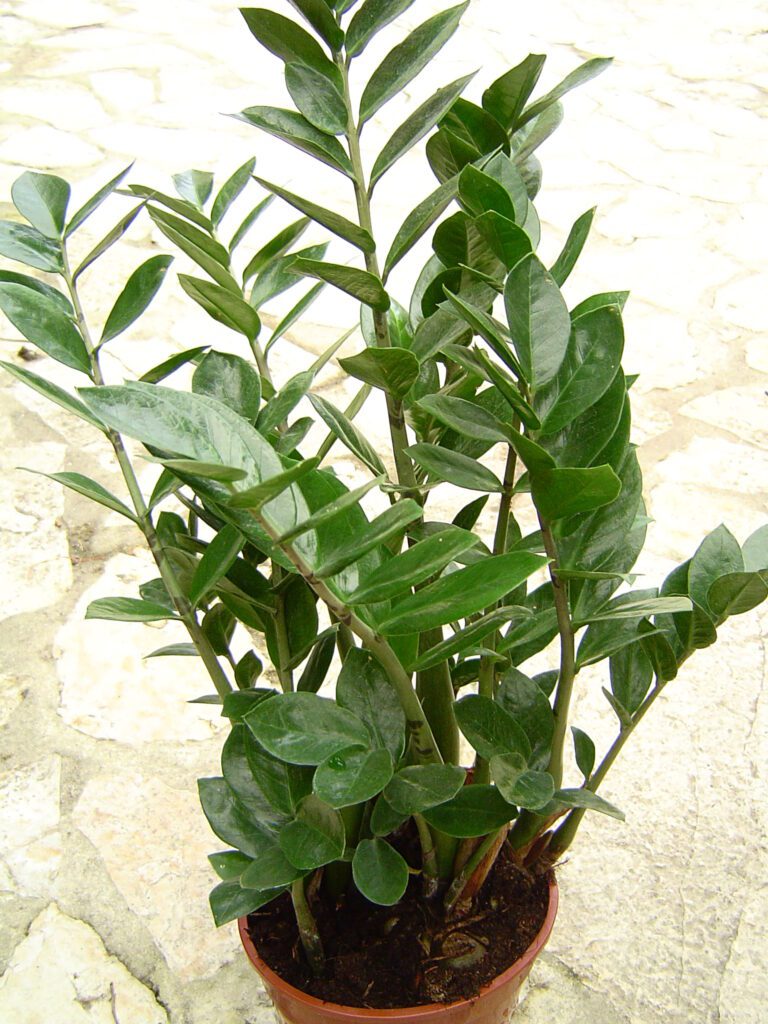
This guide defines low light in measurable terms, identifies what actually qualifies as a low-light location in a home, and lists the plants that genuinely tolerate the lowest indoor light levels.
Quick Answer: What Does “Low Light” Mean?
Low light for houseplants means 50-500 lux of intensity, equivalent to a north-facing window in temperate climates, areas more than 6 feet from any window, or windowless rooms with only overhead lighting. True low-light plants (ZZ plant, cast iron plant, Chinese Evergreen) survive these conditions for years but grow slowly. Most “low light tolerant” plants actually need at least medium light (500-2,500 lux) to grow well, even if they survive in lower light.
Why “Low Light” Is So Often Misunderstood
Plant care literature uses “low light” loosely. Some writers mean “low compared to direct sun” (which still includes most well-lit indoor spaces). Others mean “the dimmest spot in your home that still has some ambient light.” A few mean “dark closet with the door open.” The phrase covers a 50x range of actual light intensity.
Worse, the standard “north-facing window” reference ignores latitude (north windows in Florida differ from north windows in Maine), nearby obstructions (a north window facing a brick wall delivers far less light than one facing open sky), and seasonal variation (winter light is a fraction of summer).
The fix is to define low light in measurable terms (lux) and verify your space against that standard.
Low Light in Measurable Terms
Light intensity is measured in lux (lumens per square meter). Common reference points:
- Direct noon sun (outdoors): 100,000+ lux
- Bright indirect light (sunny window): 5,000-20,000 lux
- Medium indirect light (3-4 feet from sunny window): 1,000-3,000 lux
- Low light (true low light): 50-500 lux
- Reading lamp at desk distance: 200-500 lux
- Office overhead fluorescent: 300-500 lux at desk level
- Dim hallway: 50-150 lux
- Closet with door open: 10-50 lux (too dark for any houseplant)
You can measure light in your home with a free smartphone lux meter app. Hold the phone at the plant’s location with the front camera (or rear camera) facing the light source. Most apps are accurate to within 20%, which is plenty for plant placement decisions.
What Actually Qualifies as Low Light in a Home
True low-light locations
- North-facing windows in temperate climates (especially with obstructions or in winter): 100-500 lux
- 4-6 feet from any window: 100-500 lux depending on window exposure
- Interior rooms with only overhead lighting: 100-300 lux at floor level
- Windowless bathrooms with light from open doorway: 50-200 lux
- Hallways without windows: 50-300 lux depending on ambient room lighting
- Basement rooms with small high windows: 50-300 lux
Locations that look low light but are not
- 2-3 feet from a north-facing window: actually medium light (500-1,500 lux)
- Window with sheer curtain: medium light (500-2,500 lux)
- Behind furniture but in well-lit room: medium light (500-1,000 lux)
Locations too dark for any houseplant
- Pitch dark closets: under 50 lux. No plant survives long-term.
- Basement rooms with no windows: need supplemental grow lights.
- Interior rooms with lights off most of the day: insufficient even for low-light plants.
Plants That Genuinely Tolerate Low Light
These plants survive 50-500 lux conditions long-term. They grow slowly but do not decline:
1. ZZ Plant (Zamioculcas zamiifolia)
The single most low-light tolerant common houseplant. Survives in interior rooms with only overhead lighting for months. Stops growing in extreme low light but does not die. See our complete ZZ plant care guide.
2. Cast Iron Plant (Aspidistra elatior)
Earned its name in Victorian-era homes lit only by gas lamps. Grows slowly but survives nearly anywhere indoors. Tolerates the lowest light of any common houseplant (excluding ZZ plant in some environments).
3. Chinese Evergreen (Aglaonema)
Tolerates very low light while still producing colorful variegated leaves (though variegation is best in medium light). Excellent for dim offices and hallways.
4. Snake Plant (Dracaena trifasciata)
Tolerates low light but does best in medium-bright. In genuinely low light, growth slows to almost nothing. Variegated cultivars (Laurentii) lose pattern in low light. See our complete snake plant care guide.
5. Pothos Jade variety (Epipremnum aureum ‘Jade’)
The solid-green pothos tolerates lower light than variegated pothos cultivars. Grows slower in low light but survives dim hallways and bathrooms.
6. Heartleaf Philodendron (Philodendron hederaceum)
More shade-tolerant than pothos. Trails beautifully from a high shelf in dim rooms.
7. Peace Lily (Spathiphyllum)
Survives low light but rarely flowers there. For flowering, needs at least medium light. See our complete peace lily care guide.
8. Parlor Palm (Chamaedorea elegans)
Named for parlor rooms in dim Victorian homes. One of very few palms that tolerates low light. Non-toxic to pets per the ASPCA’s plant toxicity database.
Signs Your Plant Is Getting Too Little Light
Even low-light tolerant plants show symptoms when light drops below their minimum:
- Leggy stretched growth. Long gaps between leaves on the stem as the plant reaches for light.
- Smaller new leaves. New growth is significantly smaller than older leaves.
- Loss of variegation. Variegated cultivars revert to mostly green tissue.
- Stems leaning toward the light source. Plant physically reaches.
- No new growth for 6+ months. Even slow-growing plants should produce some new leaves over a year.
- Yellow leaves dropping while no new growth replaces them.
- Flowering plants stop flowering. Peace lilies in too-dim conditions never bloom.
How to Improve Light for Plants in Dim Spaces
Move plants closer to existing light sources
The simplest fix. Even moving a plant 3 feet closer to a window can double its light intensity. Walk through your home with a light meter app and identify the brighter spots.
Add a basic LED grow light
A 20-40 watt full-spectrum LED grow light on a timer (10-14 hours daily) converts almost any windowless room into a viable plant environment. Modern grow lights look like normal white lighting and are nearly invisible aesthetically. Cost: $25-$60.
Use mirrors and reflective surfaces
Light-colored walls and mirrors near windows reflect light deeper into rooms. A plant on a shelf opposite a window-side mirror catches noticeably more light.
Rotate plants between bright and dim spaces
Trade plants between rooms quarterly. A ZZ plant can spend 3 months in a dim hallway, then 3 months in a brighter room recovering, then return. This works for collections without grow lights.
Trim curtains and remove obstructions
Sheer curtains reduce light by 30-50%. Heavy curtains block almost all light. Trim back outdoor obstructions (overgrown shrubs, tree branches) that block windows.
Plants That Cannot Survive Low Light
Avoid these plants in true low-light spaces unless you add a grow light:
- Succulents and cacti (jade, aloe, echeveria) — need bright light to retain color and shape
- Fiddle leaf fig — requires bright indirect light minimum
- Most variegated plants — lose variegation in low light
- Most flowering plants — flowers require medium-bright light
- Citrus and herbs — need bright light for fruit and leaf development
- Birds of paradise — needs bright light for proper leaf development
FAQ
How do I know if my room is low light or medium light?
Use a free smartphone lux meter app at midday on a sunny day. Below 500 lux is low light. 500-2,500 lux is medium. Above 2,500 lux is bright indirect.
Can I have flowering plants in low light?
Mostly no. Most flowering plants need medium-bright light to bloom. The exception is peace lily, which sometimes flowers in low-medium light. For reliable flowering in dim spaces, use grow lights.
Will plants grow toward the light or just stretch and die?
Both. Plants in inadequate light first stretch toward the source (etiolation), producing leggy weak growth. If light remains inadequate, the plant eventually exhausts stored energy and dies. Catching the stretching phase early and improving light prevents the death phase.
Are there any houseplants that prefer low light?
Strictly speaking, no. All houseplants would grow better in more light (up to their species-specific maximum). “Low-light tolerant” plants survive low light better than other species, but none actively prefer it.
How long can a low-light plant survive in a windowless room?
True low-light plants (ZZ, cast iron, Chinese Evergreen) can survive 6-12 months in windowless rooms with only overhead lighting if the lighting is on for at least 8-10 hours daily. Beyond that, they slowly decline. Add a grow light for indefinite survival.
Does artificial lighting count as light for plants?
Partially. Standard household LED bulbs provide some usable light for plants but at much lower intensity than a dedicated grow light. Office-grade fluorescent and LED ceiling fixtures provide enough light for very tolerant species (ZZ plant) but inadequate for most plants. Dedicated grow lights are far more effective.
Grow Light Setups for Low-Light Spaces
If you want plants beyond the most tolerant species in genuinely dim spaces, grow lights are the only reliable solution.
Basic clip-on grow light ($25-$50)
Single LED grow light that clips onto a desk, shelf, or pot. Adequate for 1-2 small plants. Easy to position. Includes timer in many models. Best for individual specimen plants.
Bar-style LED grow light ($50-$100)
2-4 foot light bar that mounts under a shelf. Suitable for collections of 4-8 plants on a shelf or table. Looks like normal cabinet lighting. Most cost-effective for multi-plant setups.
Full grow light shelving system ($150-$400)
Dedicated grow shelves with built-in lights at multiple levels. For serious indoor plant collections in dedicated spaces. Allows growing demanding plants (orchids, calathea, even some flowering plants) in completely dim rooms.
Settings that work
10-14 hours daily on a timer. Position 12-24 inches above plants for low-light tolerant species; closer (8-12 inches) for higher-light plants. White full-spectrum LEDs look more natural than purple or pink “blurple” lights.
Match Plants to Your Actual Light, Not What You Wish You Had
The biggest cause of houseplant death is putting plants in spaces that cannot support them. Measure your light, match plants to that measurement, and you eliminate one of the top three causes of plant failure. For dim spaces, stick to ZZ plants and cast iron plants, or invest in a grow light to expand options.
For the broader light system, see our complete indoor plant light guide. For specific room recommendations, the low-light houseplants guide covers 12 species ranked by tolerance. For the related “bright indirect” question, the bright indirect light explained guide defines that often-confused term.
Light is the foundation. Get it right and most other care becomes easier.
Related reading: For the broader context, see the complete guide to hard-to-kill houseplants, all care fundamentals, houseplant troubleshooting hub.