
Humidity is the houseplant variable nobody tells you about until your fern crisps and your calathea rolls its leaves into tubes. For most hardy houseplants (snake plants, ZZ plants, pothos), humidity barely matters. For tropical specialists (ferns, calathea, prayer plants), humidity decides whether the plant lives or dies. Knowing which category your plant falls into is the difference between confident plant ownership and constant frustration.
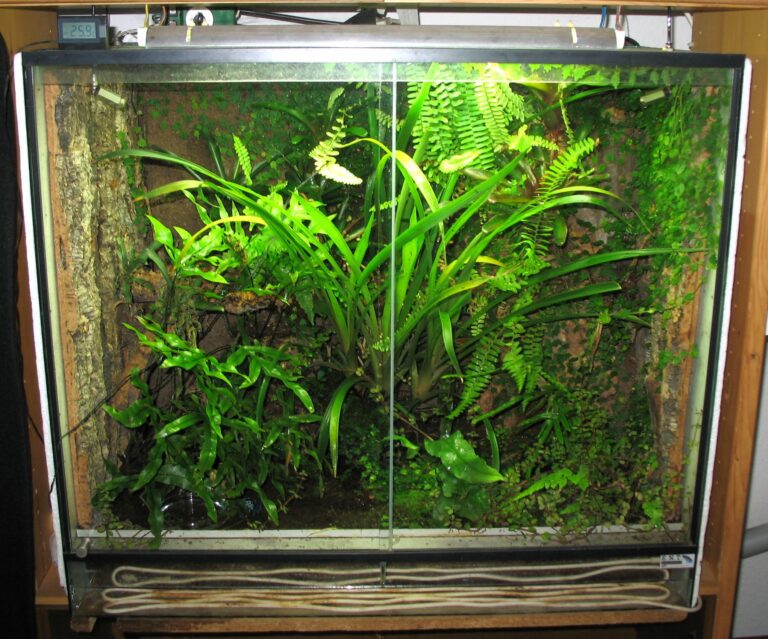
This guide covers when humidity actually matters, how to measure it, the methods that work (and don’t), and which plants need humidity intervention versus which thrive in normal indoor conditions.
Quick Answer: Humidity for Indoor Plants
Most popular houseplants (snake plant, pothos, ZZ plant, monstera, philodendron) thrive in normal indoor humidity (30-50%). Tropical specialists (calathea, prayer plant, ferns, fittonia, anthurium) need higher humidity (50-70%) and develop crispy brown tips in dry air. The most effective humidity solution is a small ultrasonic humidifier; misting and pebble trays are mostly ineffective despite being widely recommended. If your home is below 30% humidity in winter, even hardy plants benefit from some intervention.
Why Humidity Confuses Plant Owners
Plant care advice often treats humidity as a universal need. Care tags say “high humidity required” without specifying what that means or how to achieve it. Beginners spend hours misting plants every day with no measurable effect, then watch their calathea decline anyway.
The truth is more practical:
- Most popular houseplants tolerate 30-50% humidity (the typical range in most homes).
- True high-humidity plants (over 60%) are the minority and are usually labeled correctly as “high humidity needs.”
- Misting does almost nothing measurable for indoor humidity.
- A humidifier solves humidity problems definitively but costs $30-$80.
Match the plant to your actual indoor humidity, or accept that you need a humidifier for high-humidity species. The Royal Horticultural Society’s houseplant pages reinforce this categorical approach.
Indoor Humidity Ranges and What They Mean
Indoor humidity varies by climate, season, heating, and plant proximity:
- Below 20%: very dry. Common in heated winter homes in cold climates. Damages even tolerant plants over time.
- 20-30%: dry. Typical winter indoor air. Many plants show stress symptoms (crispy tips, browning).
- 30-50%: normal indoor range. Most popular houseplants tolerate well.
- 50-65%: moderate-high humidity. Ideal for most tropical houseplants. Common in bathrooms and humid climates.
- 65-80%: high humidity. Required by sensitive tropicals (calathea, maidenhair fern). Common in greenhouses and rainforests.
- Above 80%: very high humidity. Risk of fungal growth and stagnant air problems indoors.
Most homes naturally sit around 30-45% during normal seasons, dropping to 15-25% during winter heating in cold climates.
How to Measure Indoor Humidity
You cannot manage humidity without knowing your current level. Three options:
Digital hygrometer ($5-$15)
Cheap battery-powered devices that display current humidity (and usually temperature). Place one near your plants. Models like AcuRite or ThermoPro are reliable and last for years.
Combined weather station
If you already have an indoor weather station or smart thermostat, it likely shows humidity. Check before buying a separate hygrometer.
Smart home humidity sensors
Smart sensors (SwitchBot, Govee, Aqara) connect to phone apps for ongoing monitoring. Useful for tracking humidity changes over days or weeks.
Place the meter at the plant’s location, not across the room. Humidity varies even within a single room.
Plants That Tolerate Normal Indoor Humidity (30-50%)
These plants thrive without humidity intervention:
- Snake Plant — actually prefers drier air
- Pothos — tolerates 30-60% easily
- ZZ Plant — drought-evolved, prefers drier conditions
- Philodendron (most species)
- Monstera Deliciosa — tolerates 30-60%
- Rubber Plant
- Spider Plant
- Cast Iron Plant
- Dracaena
- Chinese Evergreen
- Succulents and cacti — actively prefer drier air
For these plants, humidity is rarely the cause of problems. Look elsewhere (watering, light, drainage) before suspecting humidity.
Plants That Need Higher Humidity (50%+)
These plants show crispy brown tips, leaf curling, or general decline in dry indoor air:
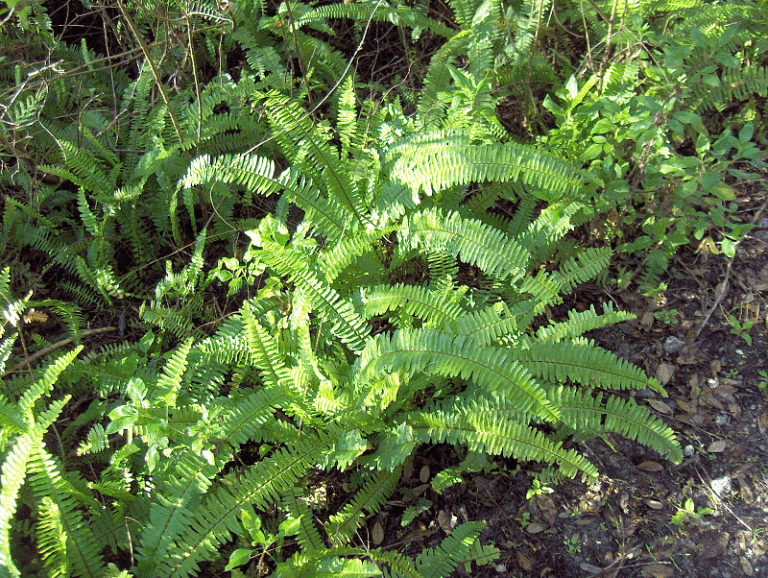
- Calathea (all species) — needs 60%+ for thriving
- Prayer Plant (Maranta) — similar to calathea
- Boston Fern — 50%+ minimum
- Maidenhair Fern — 60%+ required, very fussy
- Bird’s Nest Fern
- Fittonia (Nerve Plant) — high humidity dependent
- Anthurium
- Many orchids — varies by species
- Carnivorous plants — usually need 60%+
- Peace Lily — tolerates 30-50% but flowers and looks better at 50%+
For these plants, humidity is a major variable and intervention may be required.
Methods for Increasing Humidity
Method 1: Humidifier (most effective)
A small ultrasonic humidifier ($30-$80) is the only reliably effective humidity solution for indoor plants. Place near plants. Run for 4-8 hours daily during dry months. Raises ambient humidity from 20% to 50% in a typical bedroom or living room.
Pros: Actually works. Measurable humidity increase. Benefits multiple plants simultaneously.
Cons: Costs money. Requires regular cleaning and refilling. Adds white noise.
Method 2: Group plants together
Plants release moisture through transpiration. A cluster of plants creates a slightly more humid microclimate around the group. Effect is modest (5-10% increase) but free.
Pros: No equipment needed. Looks lush. Easier care routine.
Cons: Modest effect. Not enough alone for very dry homes or high-humidity-loving plants.
Method 3: Pebble tray (mostly ineffective)
A tray of pebbles with water under the pot. The water evaporates and theoretically raises humidity. In practice, the effect is barely measurable and limited to a few inches above the tray.
Pros: Cheap. Easy to set up.
Cons: Almost no measurable benefit. Mostly wishful thinking from old plant care literature.
Method 4: Misting (least effective)
Spraying leaves with water. Briefly raises humidity for minutes, then evaporates. The water on leaves can encourage fungal issues for some species.
Pros: Free.
Cons: Almost no lasting effect. Wastes time. Can damage fuzzy-leaved plants. Not recommended despite being widely suggested.
Method 5: Bathroom or kitchen placement
Bathrooms naturally have higher humidity from showers (often 50-70%). Kitchens have moderately higher humidity from cooking. Placing humidity-loving plants in these rooms takes advantage of natural conditions without equipment.
Method 6: Terrarium or cloche
For very high humidity needs (carnivorous plants, sensitive ferns), enclosed glass containers maintain humidity above 80%. Requires species that can handle stagnant air.
Method 7: Boil water nearby
Periodic kettle boiling or simmering water on the stove temporarily raises room humidity. Not a long-term solution but useful in emergencies.
How Heating and Air Conditioning Affect Humidity
Indoor humidity drops dramatically with temperature changes from HVAC systems:
Central heating in winter
Cold air holds less moisture; heating dry air doesn’t add moisture. Winter indoor humidity often drops to 15-25% in heated homes in cold climates. This is the main reason houseplants struggle in winter.
Air conditioning in summer
AC dehumidifies as it cools. Air-conditioned summer homes can have 30-40% humidity even when outdoor humidity is 70%+.
Forced-air systems
Even without AC or heating, forced-air HVAC moves air constantly, increasing evaporation and lowering humidity perception around plants.
Practical implication
Most homes need humidity intervention during winter heating season (November through March in cold climates) and lighter intervention during AC season. Hardy plants tolerate; sensitive plants suffer.
Signs of Low Humidity Damage
Watch for these symptoms, especially during dry seasons:
- Crispy brown leaf tips — most common low-humidity sign
- Yellowing leaf edges spreading inward
- Curling or rolling leaves as plant tries to reduce surface area
- Slow growth despite good watering and light
- Spider mite infestations — these pests thrive in dry air and indicate low humidity
- Flower buds dropping before opening
- Leaves dropping prematurely
If multiple plants in the same area show these symptoms, humidity is likely the common cause.
Signs of Excessive Humidity
Too much humidity is rare in homes but possible in greenhouses, terrariums, or chronically damp rooms:
- White or gray fuzzy patches on leaves (powdery mildew or downy mildew)
- Brown or black soft spots on leaves (fungal infection)
- Persistent mold on soil surface
- Stagnant musty smell in plant areas
- Fungus gnats swarming despite reducing watering
Excess humidity is solved by improving airflow (small fan), spacing plants further apart, and reducing watering.
Humidity by Plant Category Quick Reference
| Plant Category | Ideal Humidity | Tolerable Range | Action Needed? |
|---|---|---|---|
| Drought-tolerant (snake, ZZ, succulents) | 30-50% | 20-60% | Rarely |
| Tropical foliage (pothos, monstera, philodendron) | 40-60% | 30-65% | Sometimes (winter) |
| Moisture-loving (peace lily, spider plant) | 40-60% | 35-65% | Sometimes |
| Tropical specialists (calathea, prayer plant) | 60-70% | 50-75% | Usually (humidifier) |
| Ferns (Boston, maidenhair) | 60-80% | 50-85% | Almost always |
| Carnivorous plants | 60-80% | 50-90% | Always (terrarium often) |
Long-Term Humidity Strategies
Beyond reactive humidity management, building humidity into your home’s baseline reduces the need for daily intervention.
Whole-house humidifier integration
For homes with central HVAC, whole-house humidifiers connect to the air handler and humidify all rooms simultaneously. Costs $200-$1,000+ to install but eliminates per-plant humidity management. Worth it for serious collectors with 20+ plants.
Room dedication
If you have many high-humidity plants, dedicate one room (often a bathroom, basement, or spare bedroom) as the “tropical room” with elevated humidity year-round. Use a powerful room humidifier and monitor with a hygrometer. Plants thrive in dedicated humid environments.
Climate selection at purchase
The simplest long-term humidity strategy is matching your plant collection to your climate from the start. If you live in a dry-climate region (Phoenix, Las Vegas, much of inland California, Colorado), focus your collection on drought-tolerant plants that thrive in your conditions instead of constantly fighting humidity for fussy species.
Microclimates within a home
Different rooms have different humidity profiles. Bathrooms with showers maintain higher humidity. Kitchens with cooking activity stay moderately humid. North-facing rooms (cooler, less ventilation) hold more humidity than sunny south-facing rooms. Place plants based on these natural microclimates.
Seasonal plant rotation
Move humidity-loving plants to humid spaces during heating season and back to brighter spots during summer. This works especially well for rotating plants between bathroom and bedroom seasonally.
Choosing the Right Humidifier for Plants
If you decide to invest in a humidifier, the choice between models matters. Not all humidifiers are equally suited for plant care.
Ultrasonic humidifiers (recommended)
Use high-frequency vibrations to produce a fine cool mist. Quiet, energy-efficient, and effective. Most plant-friendly humidifiers are ultrasonic models. Easy to clean and refill. Cost: $30-$80 for typical bedroom-size models.
Best for: general plant areas, bedrooms, living rooms with multiple plants.
Evaporative humidifiers
Pull air through a wet wick filter, evaporating water naturally. More energy-intensive than ultrasonic. Filter replacement adds ongoing cost. Less effective at raising humidity in dry rooms.
Best for: users who prefer “natural” evaporation; less ideal for plant-specific use.
Warm mist humidifiers
Boil water to produce steam. Effective humidification but adds heat to the room. Risk of burns. Higher energy use. Generally not recommended for plant collections.
Best for: medical needs (infants with congestion); avoid for plant areas.
Whole-house humidifiers
Connect to HVAC systems to humidify the entire home. Most effective long-term solution if you have many sensitive plants. Cost: $200-$1,000+ installed.
Best for: serious plant collectors with many tropical specialists.
DIY Humidity Solutions That Actually Work
Beyond commercial humidifiers, several DIY approaches can boost humidity for specific plants:
Glass cabinet greenhouses
Convert an IKEA Milsbo or similar glass display cabinet into a mini greenhouse for tropical specialists. Add a small ultrasonic humidifier inside. Maintains 70%+ humidity easily. Excellent for calathea, prayer plants, fittonia, and high-humidity orchids.
Bell jars and cloches
Glass domes placed over individual plants create immediate humidity microclimates. Effective for very sensitive plants like maidenhair ferns or recently-rooted cuttings.
Plastic bag tents
Temporary humidity boost for stressed plants or recovering cuttings. Cover plant loosely with a clear plastic bag, supported by stakes to avoid leaf contact. Remove for an hour daily for airflow. Useful for short-term recovery, not long-term care.
Aquarium near plants
Open-top aquariums add modest humidity to nearby plants while looking decorative. The effect is small but useful in combination with other methods.
Bathroom plant placement
Bathrooms with showers naturally hit 70-80% humidity for short periods daily. Plants placed in bathrooms benefit from these humidity spikes plus lingering moisture. Free and effective for tolerant species.
Humidity by Climate and Region
Where you live affects how often humidity matters:
Cold-winter climates (Northeast, Midwest, Northern Europe, Northern Asia)
Indoor humidity drops to 15-25% during heating season. November-March is humidity intervention season. Many plants struggle without supplemental humidity during winter even if summer is fine.
Hot-humid climates (Southeast US, Southeast Asia, tropical regions)
High ambient humidity year-round (often 60-80% outdoors). Indoor humidity stays high without intervention. Risk of excessive humidity rather than insufficient — improve airflow rather than adding moisture.
Hot-dry climates (Southwest US, Mediterranean, Australia interior)
Low humidity year-round (15-30%). Year-round humidifier needed for sensitive plants. Match plant collection to dry-air-tolerant species or commit to humidity equipment.
Mild climates (Pacific Northwest, UK, Western Europe)
Moderate humidity year-round (40-60%). Most plants tolerate without intervention. Occasional humidifier use during heating season may benefit fussy plants.
Building a Cabinet Greenhouse for High-Humidity Plants
For collectors with multiple high-humidity plants (calathea, fittonia, prayer plants, sensitive ferns), a cabinet greenhouse converts a glass display cabinet into a controlled humid environment. This is the gold standard for keeping fussy tropical plants thriving year-round.
Cabinet selection
The IKEA Milsbo and Detolf cabinets are the most popular for plant collectors. Both are tall glass display cabinets with adjustable shelves. Other options include Greenhouse Megastore display cases and various secondhand glass curio cabinets. Look for cabinets with at least one full glass side and adjustable shelving.
Lighting setup
Most cabinets need supplemental grow lighting because their interior receives much less light than open shelf placement. Mount LED grow strips on the underside of each shelf. Connect to a timer for 10-14 hours daily. Lighting cost: $30-$80 per shelf.
Humidity control
Place a small ultrasonic humidifier on the bottom of the cabinet. Connect to a humidity controller that turns the humidifier on when humidity drops below your target (typically 65-70%) and off above target. Total controller cost: $20-$40. The cabinet maintains 70%+ humidity easily once set up.
Airflow
Stagnant high humidity encourages fungal growth. Add a small computer fan inside the cabinet on a timer (15 minutes per hour) to circulate air. Cost: $10-$20.
Temperature
Cabinets typically run a few degrees warmer than ambient room temperature due to the lighting. Most tropical plants benefit from this slight warmth, but check temperatures with a digital thermometer to ensure they stay below 85°F.
Plant arrangement
Place plants on shelves with adequate spacing for airflow. Mist-loving plants (ferns) on lower shelves; plants tolerating slightly drier conditions on upper shelves where humidity is slightly lower.
Maintenance
Refill humidifier weekly. Clean glass monthly to maintain light penetration. Replace water weekly to prevent biofilm. Inspect plants regularly for fungal issues that can develop in high humidity.
Misting: Why It Persists Despite Being Ineffective
Plant care literature has recommended misting for decades despite limited evidence it provides meaningful humidity benefits. Why does the advice persist?
It feels productive
Misting plants gives owners a sense of active care. Even if the effect is minimal, the ritual itself feels beneficial. Marketing also frames misting as essential for tropical plants.
Brief surface humidity
Misting does briefly raise humidity around leaves for a few minutes. For very sensitive plants, this brief boost might provide marginal benefit, especially if performed multiple times daily.
The actual problem with misting
Studies on plant transpiration and atmospheric humidity show misting effects last only minutes before evaporating. To maintain meaningful elevated humidity around a plant, you would need to mist constantly. Practical alternatives (humidifier, cabinet greenhouse, plant grouping) deliver sustained results without the time investment.
When misting is appropriate
Misting can serve specific purposes:
- Hydrating air plants (Tillandsia) that absorb moisture through leaves
- Cleaning dust off smooth-leaved plants periodically
- Discouraging spider mites which prefer dry conditions
- Brief humidity boost for newly-rooted cuttings during acclimation
What to do instead
For ongoing humidity needs: humidifier. For specific plants needing high humidity: cabinet greenhouse. For grouped tropical plants: bathroom or kitchen placement. The time spent misting daily can be replaced with one-time setup of a better solution.
Common Humidity Mistakes
Mistake 1: Misting expecting humidity benefits
Misting raises humidity around the leaves for 5-10 minutes, then evaporates. The plant gets minimal lasting benefit. Use a humidifier or accept the plant’s actual conditions.
Mistake 2: Ignoring humidity entirely
Homeowners assume “indoor humidity is fine” without measuring. Often it is below 30% in winter, causing problems. Buy a hygrometer.
Mistake 3: Buying high-humidity plants without a humidifier
Calathea and maidenhair ferns at the nursery look beautiful. They will not survive in a dry-air home without a humidifier or terrarium. Match plant choice to your actual conditions.
Mistake 4: Misting fuzzy-leaved plants
African violets, peperomia, and other fuzzy-leaved plants develop water spots and rot from misting. These plants want bottom watering and ambient (not surface) humidity.
Mistake 5: Pebble tray as primary humidity solution
Pebble trays look like they should work but the actual humidity boost is negligible (under 5% within a few inches). For real humidity needs, use a humidifier.
Mistake 6: Running humidifier too long
Persistent very high humidity (over 75%) encourages fungal growth on leaves and mold on soil. Run humidifier 4-8 hours daily, not 24/7.
FAQ
Do I really need a humidifier for my houseplants?
For drought-tolerant and most tropical foliage plants: no. For tropical specialists (calathea, prayer plant, ferns): yes, almost certainly during dry months. Match the equipment to the plants you keep.
What humidifier is best for plants?
Ultrasonic humidifiers are quiet, energy-efficient, and effective. Cool mist models are safer than warm mist (no burn risk). Brands like Levoit, Vornado, and TaoTronics make reliable plant-friendly models in the $30-$80 range. Avoid evaporative humidifiers; they are less effective for raising humidity meaningfully.
How often should I refill my plant humidifier?
Depends on tank size and runtime. A 1-gallon tank running 6-8 hours daily typically needs refilling every 2-3 days. Larger tanks (2-4 gallons) extend this to 5-7 days.
Will high humidity damage my hard floors or walls?
Sustained 60%+ humidity in small enclosed rooms can encourage mold on walls or warp wood floors. Use humidifiers in rooms with reasonable air circulation. For most spaces, 50% humidity is safe long-term.
Can I use a regular room humidifier for plants?
Yes. Plant humidifiers and room humidifiers are functionally the same. The “plant humidifier” label is mostly marketing.
What plants are easiest to grow in dry-air homes?
Snake plants, ZZ plants, succulents, cacti, jade plants, hoya, and dracaena all tolerate dry indoor air well. For dry-climate dwellers, focus your collection on these species rather than fighting humidity for fussy plants.
Does grouping plants really raise humidity?
Slightly. Plants release moisture through transpiration, creating a microclimate around plant clusters. The effect is real but modest (5-10% increase). Useful as a complement to other methods, not a primary solution.
Common Humidifier Maintenance Issues
Humidifiers require regular cleaning to remain effective and safe. Neglected humidifiers spread mold, bacteria, and mineral deposits throughout the room.
Weekly cleaning routine
Empty the tank, wipe interior with a damp cloth or vinegar solution, refill with fresh water. This prevents biofilm buildup that makes water smell stale.
Monthly deep cleaning
Disassemble all parts, soak in white vinegar (50% diluted) for 30 minutes, scrub with a brush, rinse thoroughly, reassemble. Removes mineral scale that reduces ultrasonic transducer effectiveness.
Filter replacement (evaporative models)
Replace evaporative humidifier filters every 1-3 months depending on use. Used filters harbor mold and reduce effectiveness.
Use distilled or filtered water
Tap water minerals build up white dust around the humidifier and on surrounding surfaces. Distilled water eliminates this buildup. Some humidifiers explicitly recommend distilled water.
Replace if cleaning fails
Humidifiers that develop persistent musty smells or mold growth despite cleaning should be replaced. Cheap humidifiers ($30-$50) can be replaced annually if needed.
Match Plants to Your Actual Humidity
The simplest humidity strategy is choosing plants that tolerate your home’s natural conditions. If you live in a dry-air apartment with no humidifier, buy snake plants and pothos rather than fighting to keep maidenhair ferns alive. If you have a humid bathroom, you can keep ferns and calatheas there with no extra equipment.
For watering practices that complement humidity considerations, see our complete watering guide. For light requirements, the indoor plant light guide covers the other foundation. For soil considerations, the best soil for indoor plants guide rounds out the basics. The ASPCA’s plant database covers safety considerations alongside care requirements for any plant you bring home.
Humidity is one variable among many. Manage it by matching plants to conditions, not by force.
Related reading: For the broader context, see the complete guide to hard-to-kill houseplants, all care fundamentals, houseplant troubleshooting hub.