
Snake plant or ZZ plant? Both are legendary for being nearly unkillable. Both tolerate low light, drought, and general neglect. Both look photogenic in modern interiors. Both are pet-toxic. The choice between them comes down to subtler differences that matter depending on your specific situation — your home’s light, your travel schedule, your decor preferences, and what you want the plant to do visually.
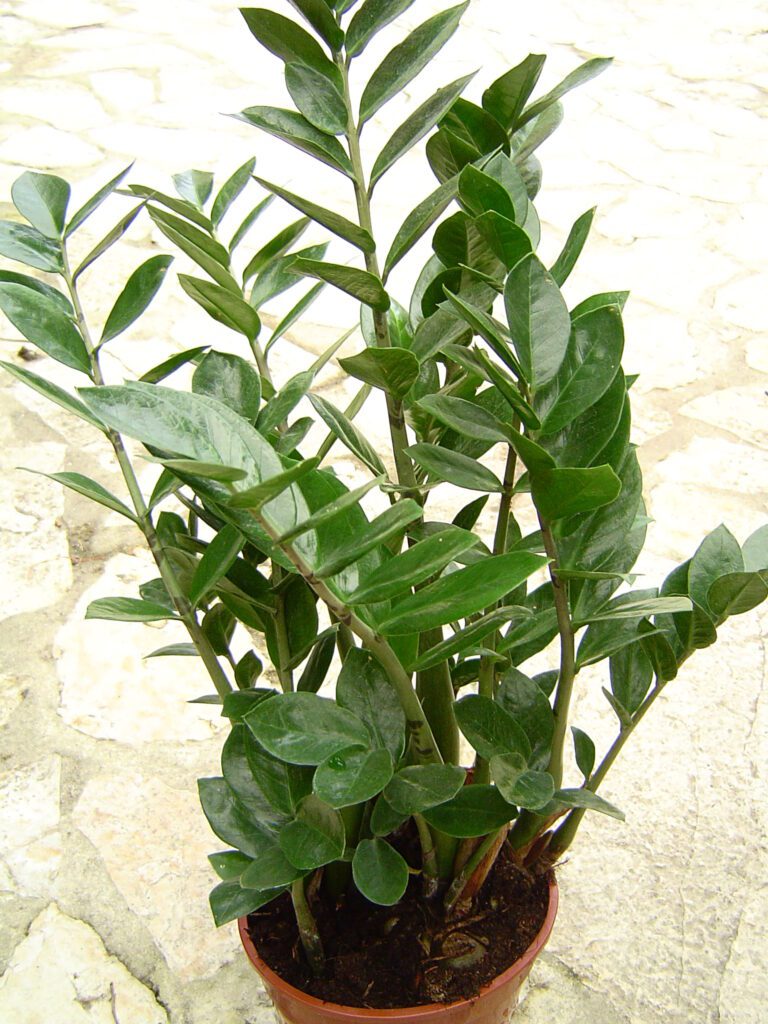
This guide compares snake plants and ZZ plants head-to-head across every meaningful dimension so you can pick the right one for your specific circumstances.
Quick Comparison Table
| Feature | Snake Plant | ZZ Plant |
|---|---|---|
| Scientific name | Dracaena trifasciata | Zamioculcas zamiifolia |
| Light tolerance | Any, including low | Any, including very low |
| Water frequency (summer) | Every 10-14 days | Every 2-3 weeks |
| Water frequency (winter) | Every 3-4 weeks | Every 3-6 weeks |
| Max time without water | 4-8 weeks | 4-12 weeks |
| Growth speed | Slow (2-4 leaves/year) | Very slow (1-3 stems/year) |
| Max height | 2-4 feet | 2-3 feet |
| Shape | Upright sword-like leaves | Arching stems with glossy leaflets |
| Propagation ease | Moderate (division, leaf cuttings) | Slow (division, leaf cuttings take months) |
| Pet safe | No (mildly toxic) | No (toxic) |
| Typical price (6-inch pot) | $15-$40 | $15-$40 (standard); $40+ (Raven) |
| Aesthetic | Architectural, structured | Glossy, sculptural, minimalist |
Meet the Contenders
Snake Plant (Dracaena trifasciata)
Native to West Africa, the snake plant is an architectural statement plant with stiff, vertical leaves that point toward the ceiling. Leaves store water for drought tolerance. Available in dozens of cultivars including Laurentii (yellow edges), Moonshine (silvery green), Cylindrica (round pencil-like leaves), and dwarf Hahnii varieties. See our complete snake plant care guide.
ZZ Plant (Zamioculcas zamiifolia)
Native to East Africa (primarily Kenya and Tanzania), the ZZ plant is a sculptural presence with arching stems bearing glossy, almost-waxy leaflets. Stores water in underground rhizomes. Available in standard green, Raven (dramatic near-black), compact Zenzi, and rare variegated forms. See our complete ZZ plant care guide.
Head-to-Head: Light Tolerance
Snake Plant in low light
Tolerates low light well. Growth slows significantly. Variegated cultivars (Laurentii) lose yellow edges in very low light. Solid green varieties thrive even in dim corners.
ZZ Plant in low light
Arguably the most shade-tolerant common houseplant. Can survive in windowless rooms for months. Growth may stop in extreme low light but the plant does not decline.
Winner: ZZ Plant (in truly low light)
Snake plants tolerate low light; ZZ plants thrive in it. For windowless bathrooms, interior hallways, or basement offices, ZZ is the better choice. For rooms with some natural light, both work excellently.
Head-to-Head: Watering Forgiveness
Snake Plant
Stores water in leaves and small rhizomes. Can survive 4-8 weeks without water. Tolerates inconsistent watering. Forgives both slight under- and overwatering.
ZZ Plant
Stores water in underground rhizomes that are essentially potato-sized reservoirs. Can survive 8-12+ weeks without water. Notoriously hard to underwater. Suffers quickly from overwatering.
Winner: ZZ Plant (for extreme neglect)
Both are highly drought-tolerant, but ZZ holds water longer. For frequent travelers or extremely forgetful owners, ZZ is the safer choice. For the average plant parent, both handle typical watering irregularity equally well.
Head-to-Head: Growth and Size
Snake Plant
Slow growth (2-4 new leaves per year). Maximum height 2-4 feet for most cultivars. Over 5-10 years, develops into substantial specimen.
ZZ Plant
Very slow growth (1-3 new stems per year). Maximum height 2-3 feet. Takes 10+ years to reach full size.
Winner: Snake Plant (if you want growth)
Both are slow-growing. Snake plants grow slightly faster and ultimately reach greater heights. For owners who want to see visible change over time, snake plant is marginally better. For owners who want a plant that stays the same size for years, ZZ wins.
Head-to-Head: Propagation
Snake Plant
Multiple methods available: division, leaf cuttings in water, leaf cuttings in soil. Leaf cuttings take 2-4 months to root; new plants develop 4-8 months after. Division gives instant new plants. See our snake plant propagation guide.
ZZ Plant
Division works, but leaf cuttings can take 6-18 months to produce a new plant. Extremely slow propagation. See our ZZ plant guide for general care.
Winner: Snake Plant
Snake plants propagate significantly faster. Within 6 months you can have multiple new plants. ZZ plants require years to multiply meaningfully. For gift-giving or growing a collection from cuttings, snake plant is the clear choice.
Head-to-Head: Aesthetics
Snake Plant
Architectural, vertical, structured. Sword-like leaves give strong geometric presence. Works well in minimalist, modern, and traditional interiors. Yellow-edged Laurentii is the most recognized houseplant shape worldwide. See our snake plant varieties guide for options.
ZZ Plant
Sculptural, arching, organic. Glossy leaflets catch light. Works especially well in modern minimalist spaces. Raven variety (dark purple-black leaves) is dramatic and rare-feeling. Looks almost artificial due to leaf glossiness.
Winner: Tie (depends on style preference)
Snake plant: structured, architectural, “modernist lobby” vibe. ZZ plant: sculptural, organic, “curated minimalist home” vibe. Both gorgeous; different visual impact.
Head-to-Head: Pet Safety
Snake Plant
Mildly toxic to cats and dogs (saponins). Causes oral irritation, drooling, vomiting if ingested. Per ASPCA.
ZZ Plant
Toxic to cats and dogs (calcium oxalate crystals). Causes oral irritation, drooling, vomiting. Slightly more painful reaction than snake plant per typical reports. Per ASPCA.
Winner: Neither (both toxic)
Both plants should be kept out of reach of chewing pets. Neither is “safer” than the other. For pet households, consider the non-toxic alternatives in our pet-safe houseplants guide.
Head-to-Head: Price and Availability
Snake Plant
Widely available at any garden center or big-box store. Prices start at $15 for small plants. Unusual varieties (Moonshine, Black Gold, Cylindrica) available at specialty shops for $25-$60.
ZZ Plant
Widely available, similar pricing to snake plants ($15-$40 for standard green). Raven ZZ runs $40-$100 for standard sizes due to newer patented release. Variegated varieties are rare and expensive ($100-$400).
Winner: Snake Plant (for variety at lower cost)
Snake plants have more affordable variety options at lower price points. ZZ plants are comparable for standard green but premium for Raven and variegated.
Which Should YOU Choose?
Choose snake plant if:
- You want to see steady (though slow) growth
- You want to propagate and multiply your plants
- You prefer architectural, vertical aesthetics
- You want specific variety options (Laurentii, Moonshine, Cylindrica, etc.)
- You have rooms with at least some natural light
- You want the most recognizable houseplant worldwide
- You like “Mid-Century Modern” or minimalist Scandinavian aesthetics
Choose ZZ plant if:
- You travel for 2+ weeks at a time frequently
- Your home has very dim spaces or windowless rooms
- You want a plant that barely changes over years
- You prefer glossy, sculptural, arching shapes
- You want the ultimate low-maintenance plant
- You like minimalist, contemporary aesthetics
- You’ve killed multiple plants and need something truly indestructible
Or: Get both
These plants work beautifully together. Place a snake plant as an upright statement in one corner, and a ZZ plant as an arching presence in another. Their visual contrast is complementary. Both have similar care needs so routines don’t conflict.
FAQ
Can I water snake plants and ZZ plants on the same schedule?
Roughly yes, with adjustments. Water both when soil is dry several inches down. Snake plants drink a bit more often than ZZ plants. Both tolerate occasional missed waterings well.
Which is better for beginners?
Both are excellent for beginners. ZZ plant has a slight edge for absolute beginners who are worried about killing plants. Snake plant is better for beginners who want to actually see their plant grow.
Which one dies faster from overwatering?
Both are prone to overwatering death. ZZ plants seem slightly more forgiving of one-time overwatering, but both rot with sustained wet soil. Follow watering best practices carefully for either.
Do they work in the same pots?
Yes. Both prefer slightly root-bound conditions in well-draining pots. Terracotta works well for both. Both benefit from cactus/succulent mix.
Can they tolerate the same level of light?
Yes, though ZZ tolerates slightly lower light. In bright indirect light, both thrive. In windowless rooms, ZZ has a small advantage.
Which one is more expensive long-term?
Similar in most scenarios. If you want Raven ZZ or variegated varieties, ZZ becomes expensive. For standard green, snake plant has slightly more affordable large specimens.
Are they easy to combine in one pot?
Not typically. Both have different root structures (snake rhizome, ZZ tuber-like rhizome). They compete for root space. Separate pots are better.
Our Verdict
For most plant owners: either choice is excellent. If forced to choose one as a universal recommendation, snake plant wins for its better propagation, slightly faster growth, and wider aesthetic variety.
If you’re specifically in an extreme low-light situation or travel 4+ weeks at a time, choose ZZ plant.
If you have space for two floor plants, get both. They complement each other beautifully and require nearly identical care, making a collection of both plants the sweet spot of variety and low maintenance.
For detailed care of either, see our snake plant complete guide or ZZ plant complete guide. For broader plant selection, our complete hard-to-kill houseplants guide covers other options in this category.
Both plants are unkillable. The question is which unkillable plant fits your specific life and home best.